
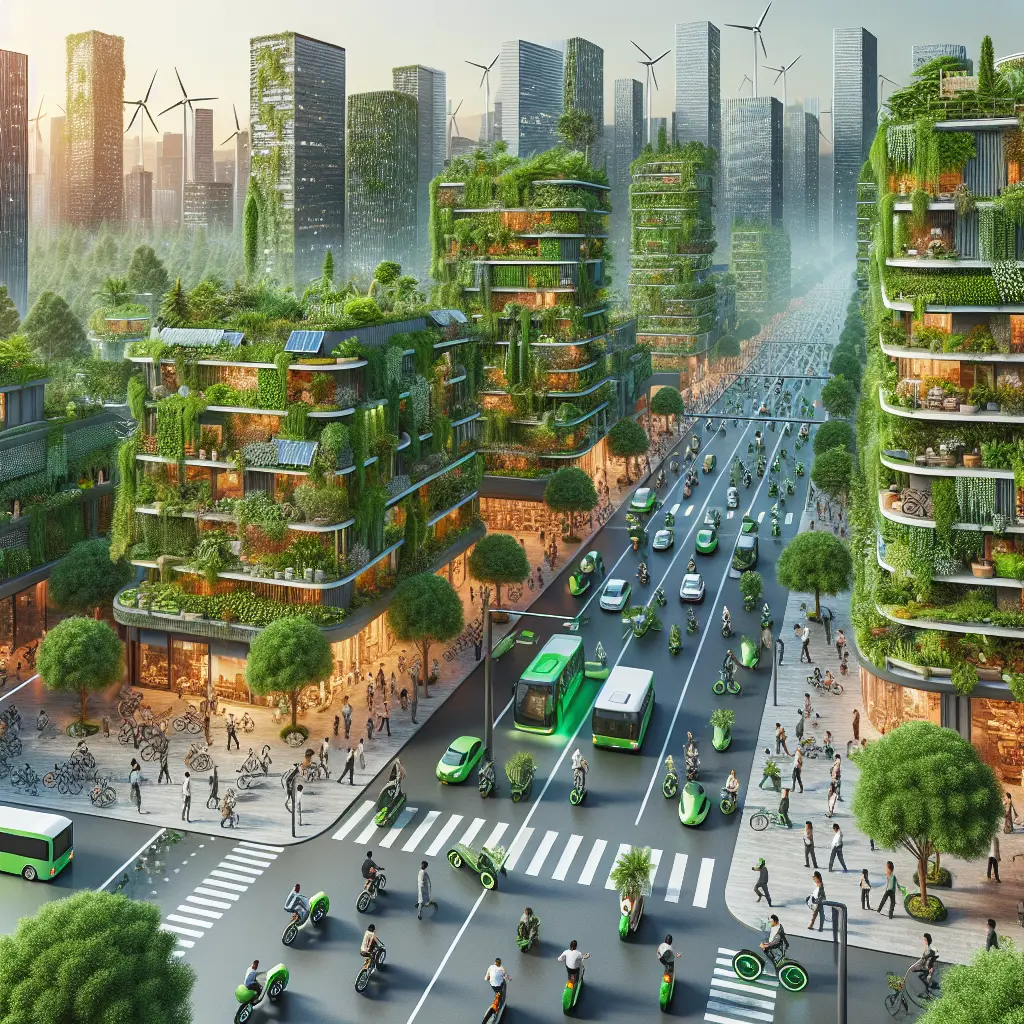
Innovative materials manufacturing is taking a giant leap forward in supporting sustainable urban mobility, with recent advancements in certified, bio-attributed resins paving the way for greener cities.
As cities worldwide strive to become more sustainable and resilient, the materials that form the backbone of our urban infrastructure are under increasing scrutiny. The demand for eco-friendly solutions in transportation, construction, and everyday urban life is pushing industries to reimagine how they source, manufacture, and certify essential components.
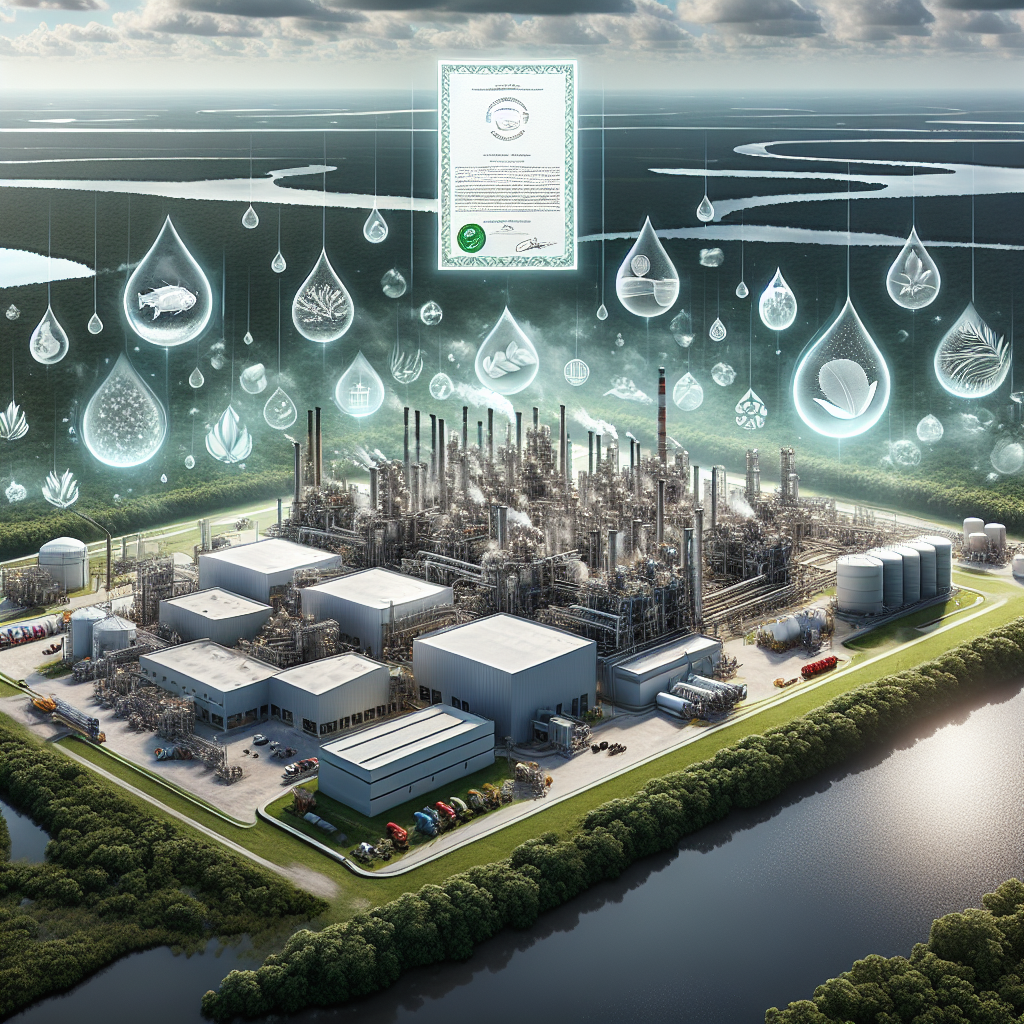
One recent milestone in this journey toward sustainability comes from the specialty materials sector: the certification of waterborne acrylic resins under the ISCC PLUS standard at a major US production facility. This development isn’t just a technical upgrade—it’s a critical enabler of sustainable urban mobility.
ISCC PLUS (International Sustainability & Carbon Certification PLUS) is a globally recognized certification system that ensures products are sourced and manufactured in line with strict sustainability criteria. Central to this certification is the mass balance approach, a method for tracing and verifying the proportion of renewable or recycled content throughout complex supply chains.
Key Highlights:
Mass Balance Solutions: These innovative resins now contain up to 90% bio-attributed content, meaning a significant portion of their feedstock originates from renewable or recycled sources rather than virgin fossil materials.
Certified Traceability: The mass balance method ensures that every step—from initial feedstock sourcing to final product—maintains accountability and transparency regarding environmental impact.
Global Network Expansion: With this certification, more facilities are joining a worldwide network committed to sustainability, making it easier for manufacturers across various sectors to source low-carbon materials.
How Advanced Resins Empower Sustainable Urban Mobility
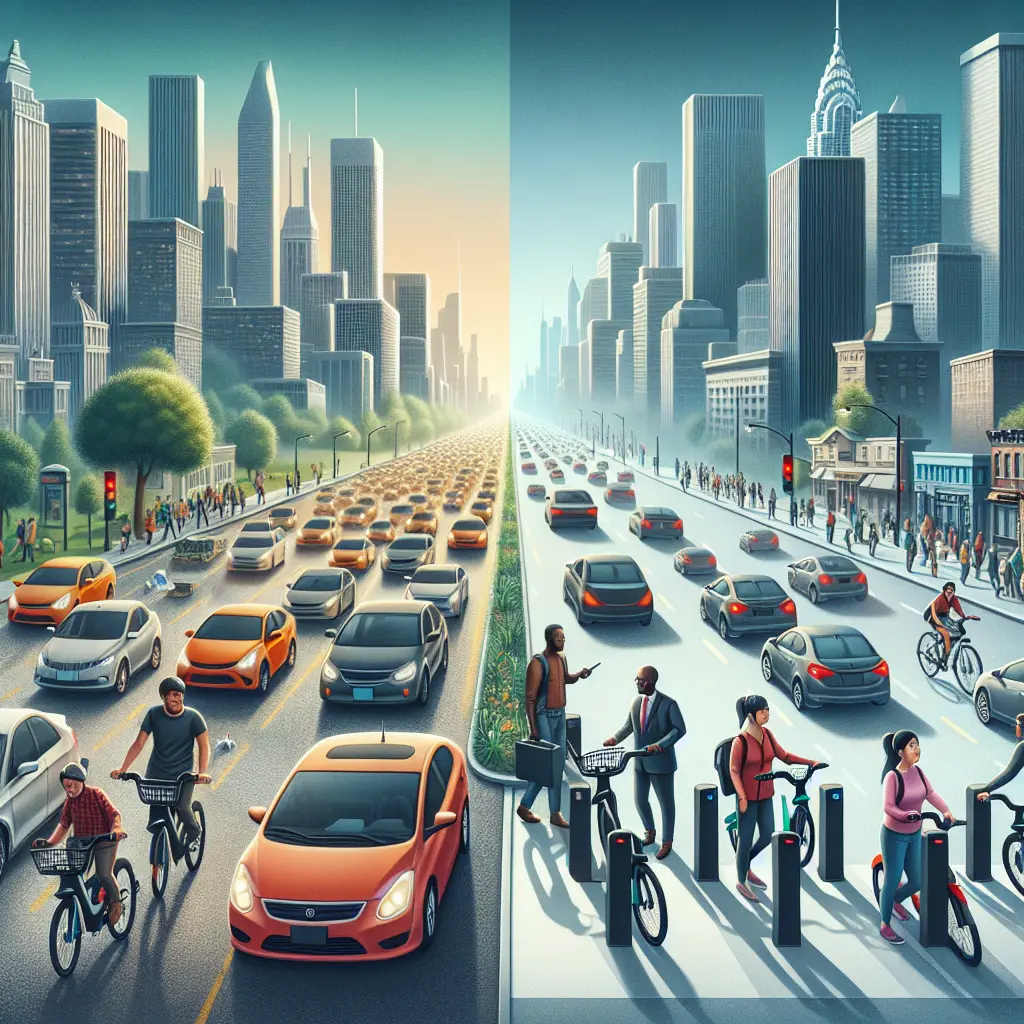
Sustainable urban mobility encompasses everything from efficient public transport and electric vehicles to infrastructure that supports walking, cycling, and new forms of micro-mobility. At the core of these systems are coatings, adhesives, and specialty materials used in vehicles and transit infrastructure.
By shifting to waterborne resins with high bio-attributed content, the carbon footprint of these critical materials is significantly reduced. This shift allows cities to achieve their sustainability targets while empowering manufacturers to take part in global climate action through material choices.
Circularity and Resource Efficiency: Transitioning away from virgin fossil feedstocks toward renewable alternatives is about more than just reducing emissions. It represents a step toward a more circular economy, where waste is minimized and resources remain in use longer. Certified specialty resins help enhance circularity by integrating recycled or bio-based inputs and promote resource efficiency while supporting verified reductions in greenhouse gas emissions.
Supporting the Entire Urban Value Chain: The adoption of certified sustainable materials involves all stakeholders—from material suppliers and manufacturers to city planners and transit authorities. Manufacturers gain access to lower-carbon raw materials, cities enjoy more resilient infrastructure with reduced environmental impact, and consumers benefit from cleaner air and quieter streets.
The Path Forward for Greener Cities
With sustainability at the heart of modern urban development, innovations like mass balance-certified waterborne resins are foundational. They empower industries to implement greener practices without sacrificing performance or reliability—meeting the evolving needs of urban mobility systems.
To learn more about these advancements in sustainable materials manufacturing, you can read the full article here.
Each player in the urban value chain—from materials producers to city leaders—has a role to play in driving innovation forward. Embracing certified sustainable materials is key for building cities that are cleaner, more efficient, and more resilient.
Let’s continue driving our cities toward a cleaner, more connected future—one sustainable innovation at a time.



Leave a Comment