

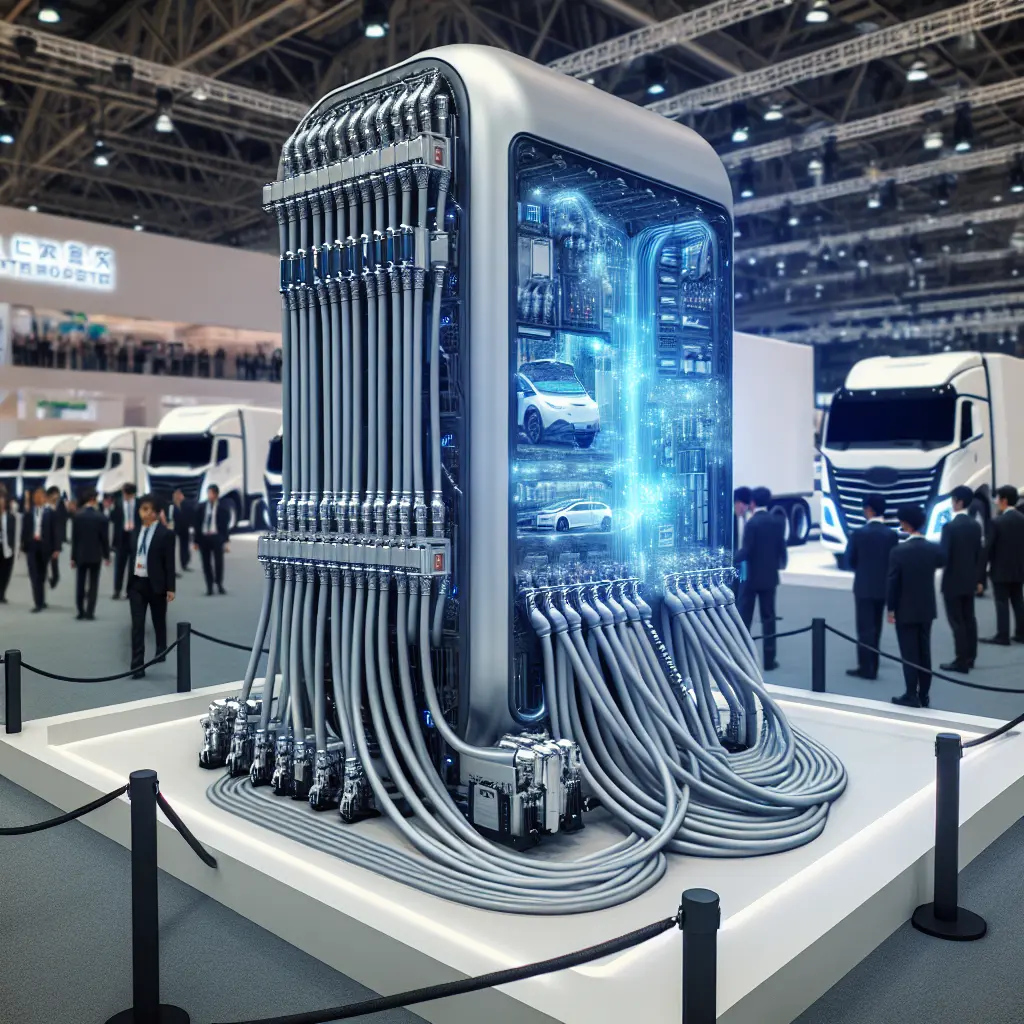
The future of sustainable urban mobility is charging up at lightning speed, thanks to innovations in electric vehicle infrastructure.
As cities around the world aim to reduce their carbon footprints and enhance urban air quality, the transition to electric vehicles (EVs) has become a central pillar of sustainable urban mobility strategies. However, one of the key challenges in electrifying urban logistics—especially for commercial fleets—has been the availability of powerful, fast-charging solutions that can keep large vehicles like semi trucks on the move without lengthy downtime.
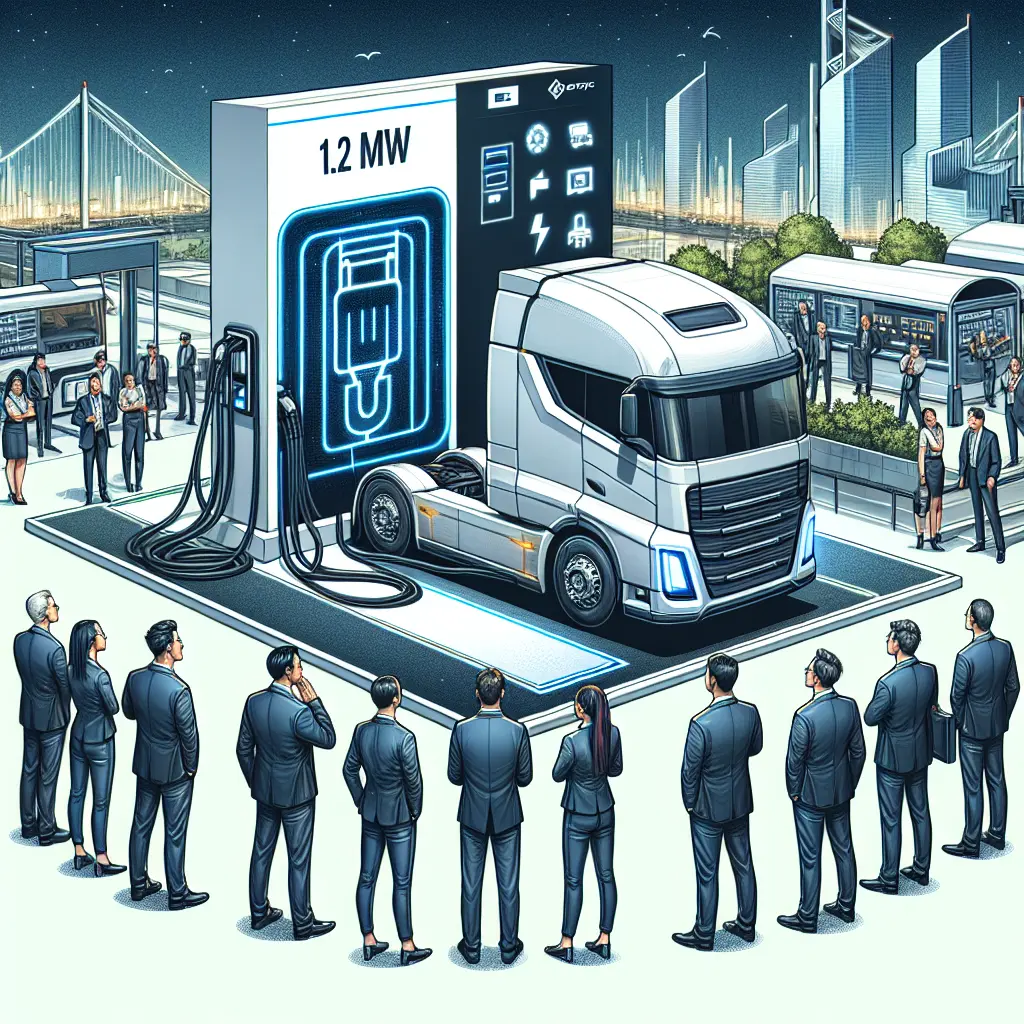
A major leap forward in this area has been unveiled with the introduction of a groundbreaking 1.2 megawatt (MW) electric semi truck charger, known as the MCS1200 Megawatt Charging System. This state-of-the-art system is capable of delivering up to 1,200 kW of power, drastically reducing the time required for commercial electric trucks to recharge and return to service.
Why High-Powered Charging Matters for Urban Mobility
In densely populated cities, freight and logistics play a vital role in ensuring businesses and consumers receive goods quickly and efficiently. The shift to electric trucks is essential for:
Reducing Greenhouse Gas Emissions: Heavy-duty diesel trucks contribute significantly to urban air pollution and greenhouse gases. Electrifying these fleets is a critical step toward meeting climate goals.
Improving Air Quality: Electric trucks produce zero tailpipe emissions, which directly benefits urban populations by reducing harmful pollutants such as NOx and particulate matter.
Lowering Noise Pollution: Electric drivetrains are substantially quieter than traditional engines, making urban environments more livable.
However, transitioning an entire fleet from diesel to electric only works if charging infrastructure can support the operational needs of logistics companies. Slow charging means more vehicles are out of service at any given time—something unsustainable for both businesses and city supply chains.
The MCS1200 Megawatt Charging System: Transforming Urban Fleet Electrification
The new MCS1200 system addresses these challenges head-on by offering ultra-fast charging with up to 1,200 kW of power delivery. Electric trucks can be fully charged in minutes rather than hours, ensuring rapid turnaround times for logistics companies operating in busy urban areas.
Its modular design allows for scalable expansion as fleet sizes grow or as the demand for charging increases. This future-proof approach means that cities and businesses can invest in infrastructure that adapts to rising EV adoption rates and accommodates a variety of commercial vehicle sizes.
Adopting robust charging infrastructure like the MCS1200 unlocks several benefits for sustainable urban mobility. High-powered chargers make it feasible for larger numbers of heavy vehicles to operate on electric power within city limits. Quick recharging enables logistics providers to maintain tight delivery schedules around the clock while supporting sustainability goals.
As charging becomes faster and more accessible, barriers to switching from diesel to electric vehicles are reduced, encouraging broader EV adoption across urban fleets.
Accelerating Sustainable Urban Mobility
The introduction of advanced charging systems like the MCS1200 marks a significant milestone in the journey toward cleaner, smarter, and more resilient urban mobility networks. Rapid charging capability for even the heaviest commercial vehicles accelerates the adoption of electric trucks and helps cities achieve environmental and public health goals.
Looking ahead, future-proofing urban mobility with innovations like megawatt charging will be vital as electric vehicles of all sizes become more common on city streets. These developments pave the way for more ambitious sustainability targets and ensure that cities remain at the forefront of clean transportation.
For those interested in learning more about this innovation, you can read about the announcement at this link .
Let’s continue driving forward—one charge at a time—toward a cleaner and more sustainable urban future.



Leave a Comment