

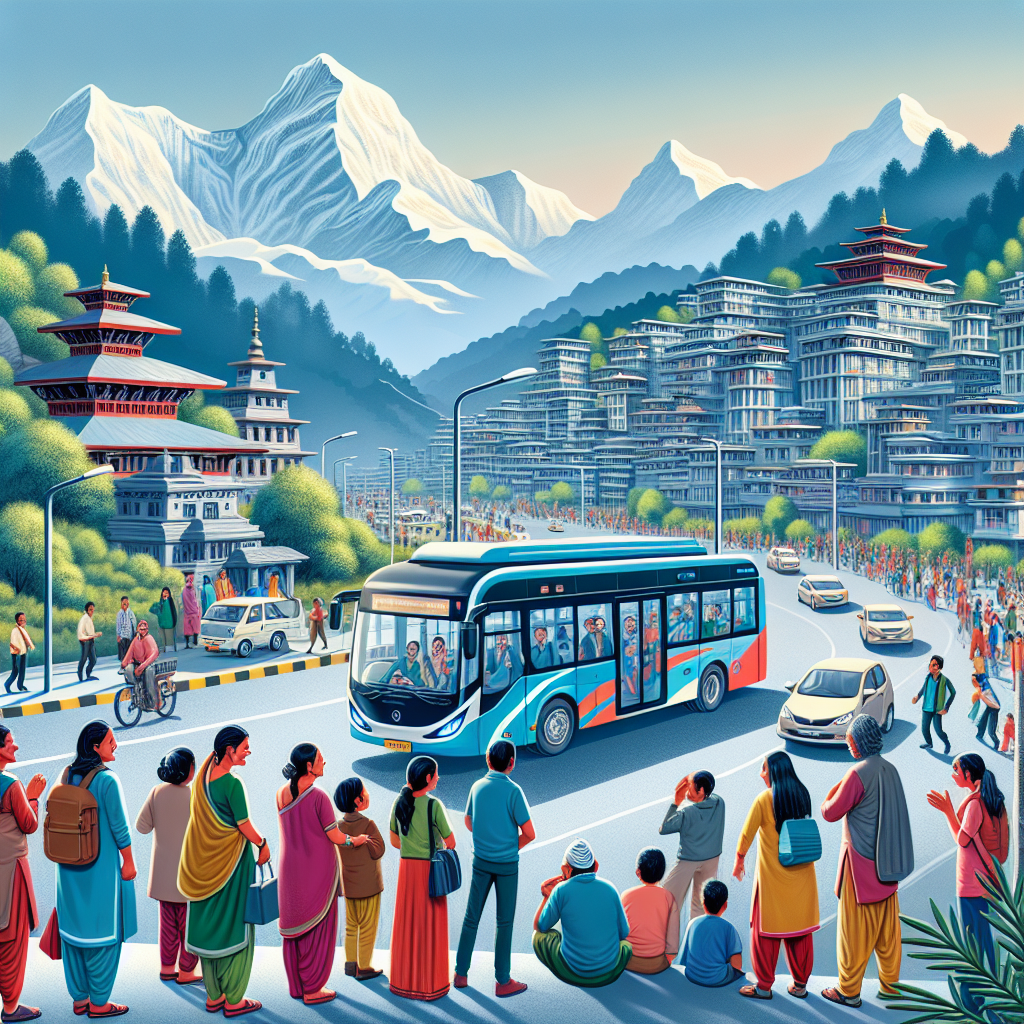
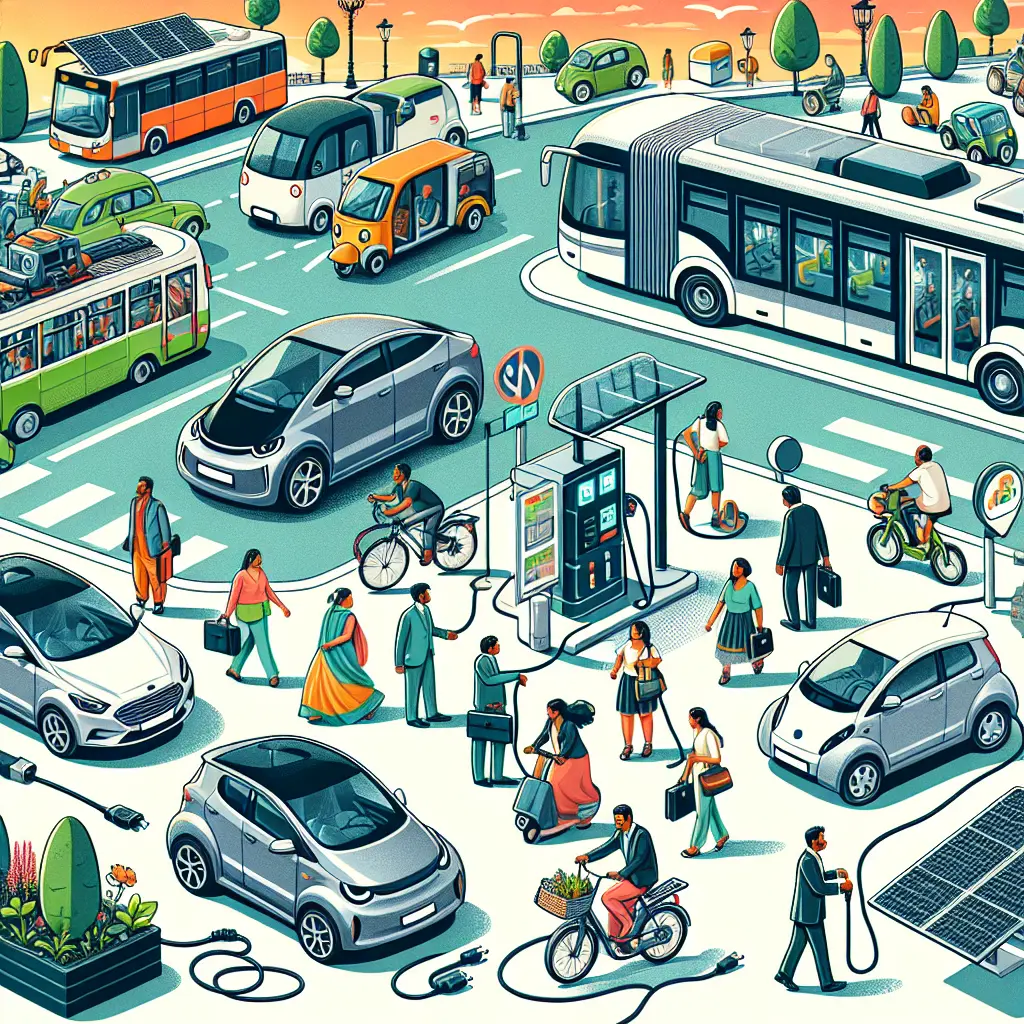
Sustainable urban mobility is taking a transformative leap in Srinagar, where a new electric bus initiative is redefining how mountain cities can move toward a cleaner, more equitable future.
Nestled in the heart of the Himalayas, Srinagar has long faced challenges from fragmented and polluting transport modes. Until recently, public transit relied heavily on diesel-powered minibuses and shared taxis, contributing to congestion and poor air quality. With its unique climate and sensitive topography, sustainable mobility solutions are both an environmental and social imperative for the region.
The Electric Bus Revolution began in late 2023, when Srinagar launched its first formal electric bus service. Managed by Srinagar Smart City Ltd (SSCL), the project quickly deployed 78 electric buses across 16 routes, offering service from early morning until after midnight. The fleet is expected to expand to 100 buses by 2024-25, marking a significant investment in clean urban transport.
Emission reductions are a central achievement of this initiative. The switch to electric buses is cutting an estimated 5,642 tonnes of CO₂, 5.6 tonnes of NOₓ, and 0.041 tonnes of particulate matter emissions each year. These reductions are possible thanks to both zero tailpipe emissions and a hydro-powered local energy mix.
Public response has been overwhelmingly positive, with daily ridership surging to around 60,000 passengers. This indicates strong adoption and a marked shift from private vehicles to shared, sustainable transit—resulting in additional emission savings and reduced congestion throughout the city.
Overcoming Hurdles: Challenges Facing Srinagar’s Electric Buses
While the new electric bus system is a major step forward, Srinagar faces several ongoing challenges. Infrastructure remains limited, with only one operational bus depot creating inefficiencies such as increased non-revenue kilometres. Although eight additional charging stations are planned, development has been gradual.
Accessibility also poses a challenge—currently, just 19% of built-up areas are within comfortable walking distance (400 meters) of a bus stop. Expanding service coverage will be crucial for promoting greater equity and inclusion throughout the city.
Institutional coordination is another barrier. Without a unified city-level transport authority, route planning and fare integration remain complicated, while administrative delays have slowed procurement of additional buses under national schemes.
Despite these issues, Srinagar’s journey offers important lessons for other mountain cities and urban centers striving for sustainability. Dedicated mobility planning teams and private technical support under SSCL have ensured project continuity. Community engagement has helped build trust and promote use of the new system, while digital ticketing through the Chalo app has modernized passenger experiences.
Lessons in Sustainable Urban Mobility: Focusing on People Over Cars
Above all, Srinagar’s experience underscores that true sustainable urban mobility focuses on moving people—not just vehicles. By prioritizing equitable, reliable public transport over private cars, environmental benefits follow naturally and communities become more connected.
Srinagar’s electric bus revolution is not just about technology—it’s about shifting mindsets toward people-centered urban planning. Reducing pollution and making sustainable mobility accessible even in mountainous terrains sets an inspiring example for cities across India and beyond.
To explore Srinagar’s sustainable urban mobility transformation in depth, read the original article at this link.
Let’s keep moving forward—one city, one innovation, one sustainable journey at a time.

Leave a Comment