
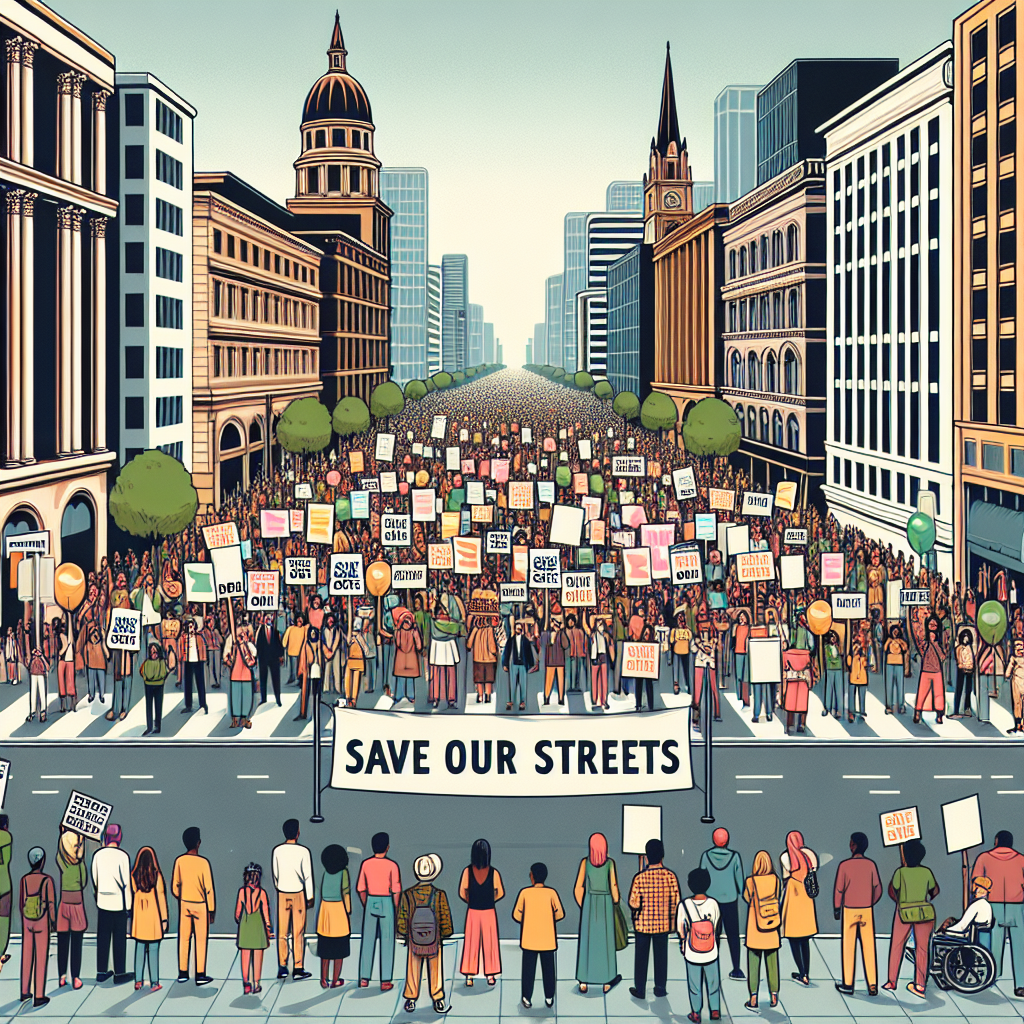
As cities worldwide grapple with the challenge of creating vibrant, livable spaces, the debate over urban mobility and the role of cars in city centers has never been more relevant. The situation unfolding in Nicosia, where citizens are rallying against reopening Makarios Avenue to private vehicles, brings the spotlight onto the urgent need for sustainable urban mobility and people-centered city planning.
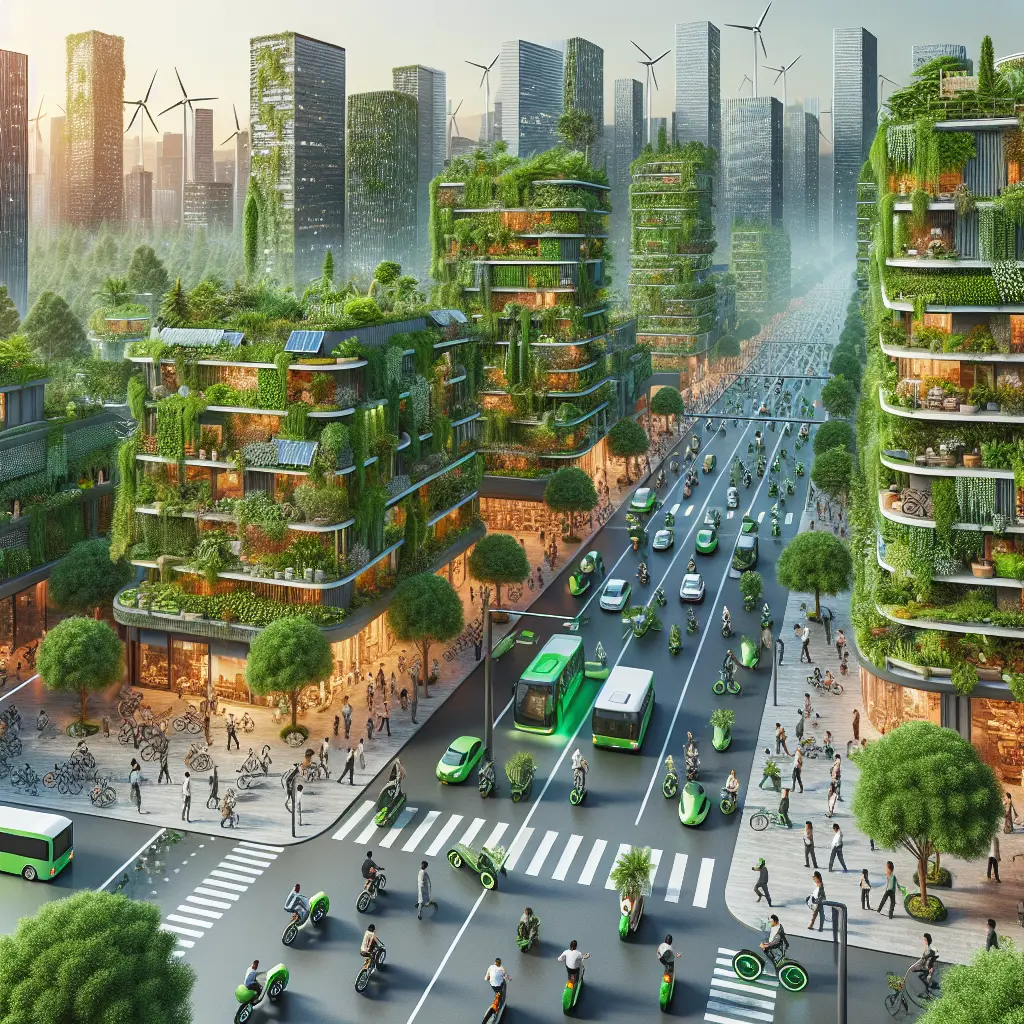
This local protest echoes a broader global shift: communities everywhere are striving to prioritize people over cars and to reclaim city streets as welcoming public spaces. The transformation of Makarios Avenue exemplifies how cities can benefit by redesigning their core areas for pedestrians, fostering greater community engagement, and aligning with sustainability goals.
The Power of Pedestrianized Spaces
Makarios Avenue’s recent restriction of private vehicle access has been celebrated as a milestone for sustainable urban mobility in Nicosia. This change has led to reduced traffic congestion and air pollution, improved pedestrian safety, and new opportunities for social and cultural activities. Local businesses have seen increased foot traffic, underscoring how a focus on people rather than vehicles can invigorate both community life and the local economy.
Why Reversing Course Matters
Protesters warn that reopening Makarios Avenue to cars could undo years of progress. They cite contradictions with EU sustainability commitments, potential risks to future EU funding for urban renewal, and concerns about declining urban livability. Allowing cars back may shrink public spaces and undermine the social vibrancy that pedestrian zones create. Cities that limit car use often witness a renaissance in culture and commerce as their streets transform into lively destinations.
A Call for Inclusive Decision-Making
One of the most significant messages from this movement is the importance of involving all stakeholders—residents, business owners, visitors, and civil society organizations—in decisions about urban mobility. Transparent and inclusive consultation ensures that new policies genuinely reflect community needs while maintaining a balance between accessibility and environmental responsibility.
Strategies for Sustainable Urban Mobility
To sustain momentum towards greener cities, several key measures can be taken: preserving and expanding pedestrian zones; developing holistic strategies that support accessibility without fostering car dependency; offering incentives for people to visit, live, and do business in car-free districts; promoting vibrant cultural events; and keeping an open dialogue with all stakeholders so that plans can evolve responsively.
These actions not only make cities more attractive but also improve quality of life and environmental health for everyone. By putting people at the center of urban planning, communities can achieve a balanced coexistence between mobility, commerce, and public wellbeing.
Reclaiming Streets for People
The rallying cry “A Lively Makarios Ave for People, Not for Cars” encapsulates a shared vision: cities should serve people’s needs first. Urban mobility must go beyond short-term convenience to ensure lasting sustainability and enriched daily life. When streets are designed as places for connection rather than just transit, communities become stronger and more resilient.
Nicosia’s experience is part of a worldwide trend—cities everywhere are standing up for accessible public spaces that foster inclusion and celebrate culture. For those interested in following this ongoing movement, more information is available at this news update.
The Path Forward: People-Centered Urban Spaces
Ultimately, the efforts in Nicosia highlight the potential of cities everywhere to rethink mobility in a way that puts people and community first. By continuing to advocate for thoughtful policies and inclusive planning, we can build urban environments that are not only efficient but also vibrant and welcoming for all.
Let’s keep pushing for cities where every street is an opportunity for community, culture, and sustainability. Advocating for people-first policies ensures that urban mobility becomes not just an objective but an everyday reality benefiting everyone.
Together, we can pave the way towards a future where sustainable urban mobility is woven into the fabric of city life—creating healthier, more inclusive places to live.
Now is the time to champion cities designed around people—lively, resilient, and ready for the future.


Leave a Comment