

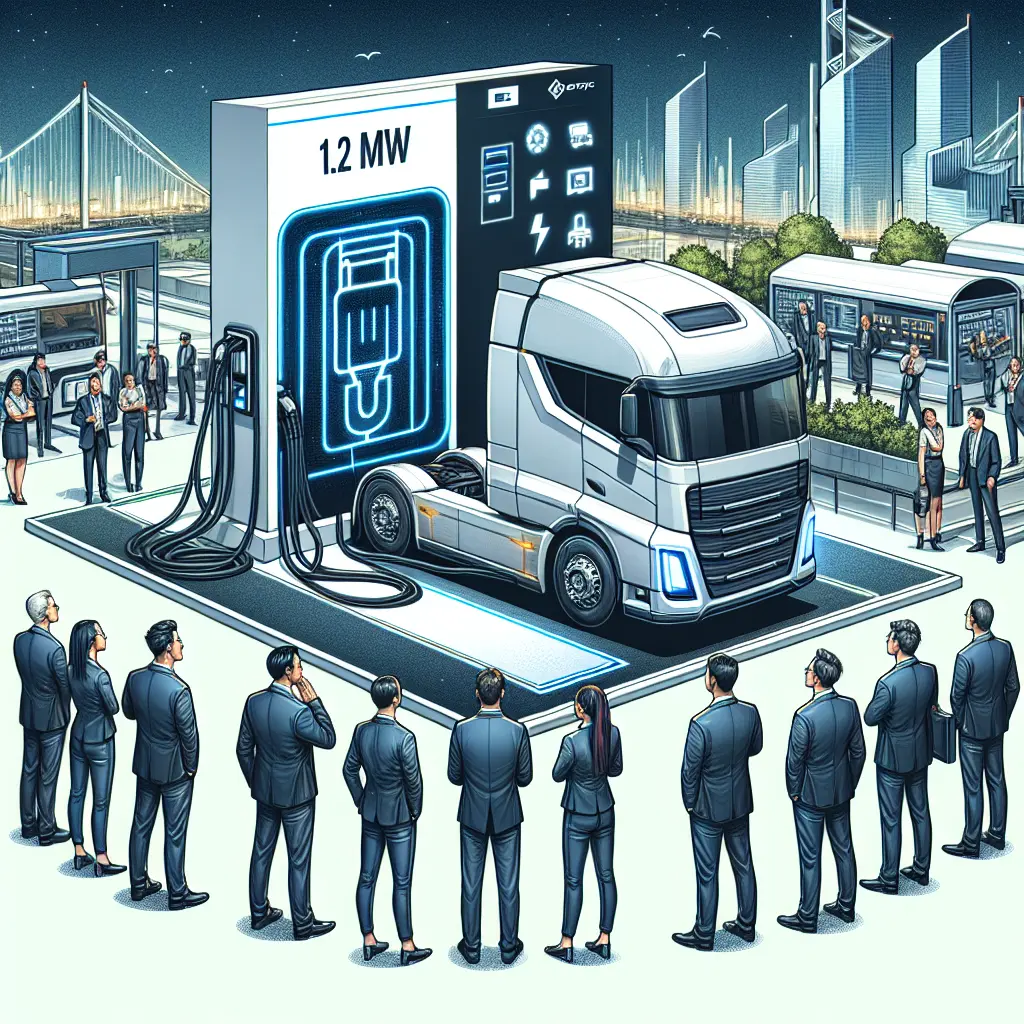
In the realm of sustainable urban mobility, groundbreaking advancements like ABB's 1.2 MW modular truck chargers are setting the stage for a greener and more efficient future.
As cities around the world grapple with the dual challenges of urban congestion and environmental sustainability, the introduction of high-power charging solutions for electric vehicles (EVs) stands out as a pivotal innovation. ABB, a leader in power and automation technologies, is pushing the boundaries with its MCS1200 Megawatt Charging System, an impressive technology designed to recharge electric commercial trucks swiftly and efficiently.
High Power Output: The MCS1200 is capable of delivering up to 1,200 kW of power. This immense capability ensures that electric commercial trucks can get back on the road in mere minutes, significantly reducing downtime and enhancing operational efficiency.
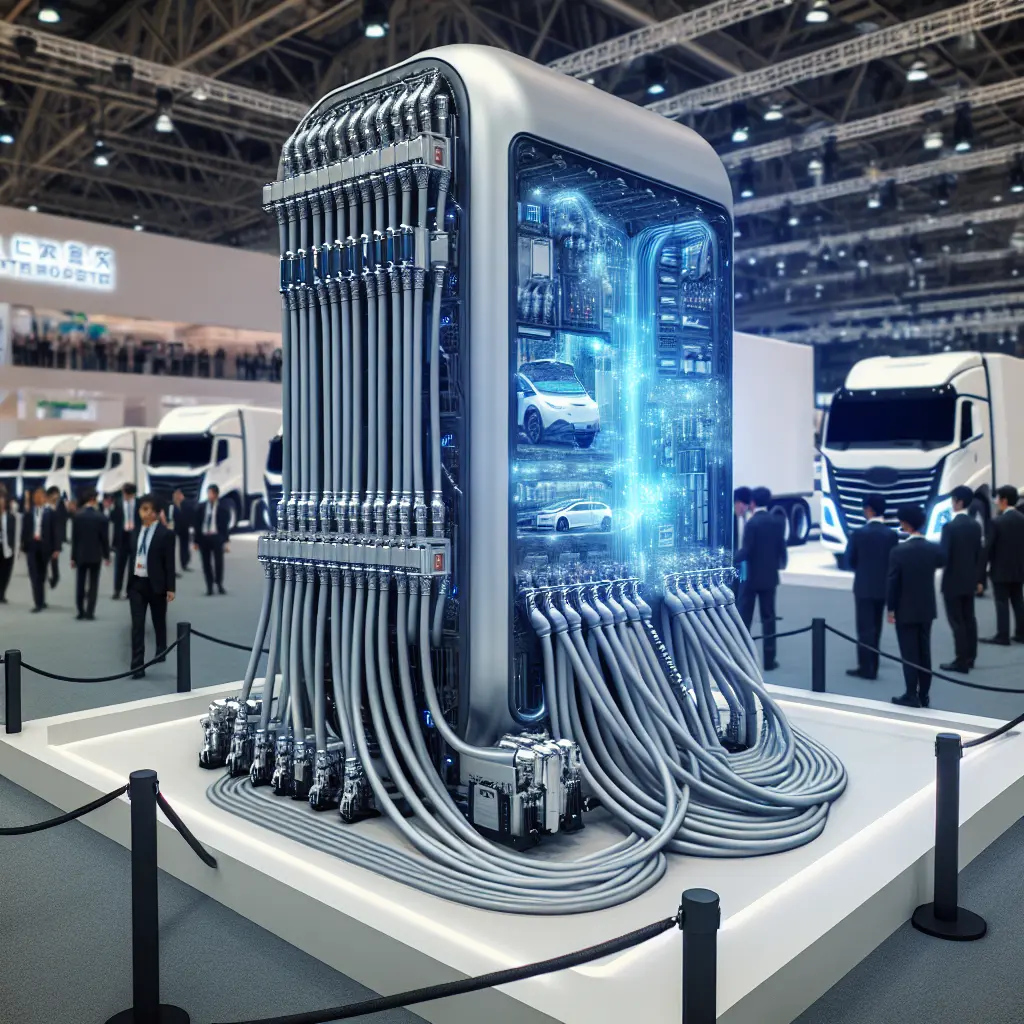
Modular Design: The system's modular nature allows for scalability, making it adaptable to various urban settings and needs. This flexibility is crucial for cities as they continue to expand their EV infrastructure.
Part of an Integrated Ecosystem: ABB's charging system is not a standalone product; it's part of a broader ecosystem of electric vehicle supply equipment (EVSE). This integration facilitates a seamless transition towards sustainable urban transport networks.
Implications for Sustainable Urban Mobility
The advent of such powerful charging systems is transformative for urban centers aiming to reduce their carbon footprint. Here are some potential impacts:
Reduction in Emissions: By supporting the electrification of commercial fleets, systems like the MCS1200 contribute to a decrease in greenhouse gas emissions from traditional diesel-powered trucks.
Enhanced Efficiency: Faster charging times mean less time wasted at charging stations, which translates to increased efficiency and productivity for logistics and delivery companies operating within cities.
Urban Adaptability: As urban areas evolve, so does the need for adaptable infrastructure. The modular design of ABB's chargers means they can be easily integrated into existing systems or expanded as demand grows.
Challenges and Considerations
While the introduction of megawatt charging systems presents numerous advantages, it also comes with challenges:
Infrastructure Upgrades: Implementing such high-power systems requires significant upgrades to existing electrical infrastructure, which could be costly and time-consuming.
Regulatory Compliance: Ensuring that these systems comply with local and international regulations is crucial to their successful deployment.
ABB's MCS1200 Megawatt Charging System is not just a technological marvel; it's a catalyst for change in the journey towards sustainable urban mobility. By enabling quicker and more efficient charging for commercial EVs, it supports a future where cities are cleaner, more efficient, and environmentally friendly.
For more details on ABB’s new charging system, you can view the original article here.






Leave a Comment