
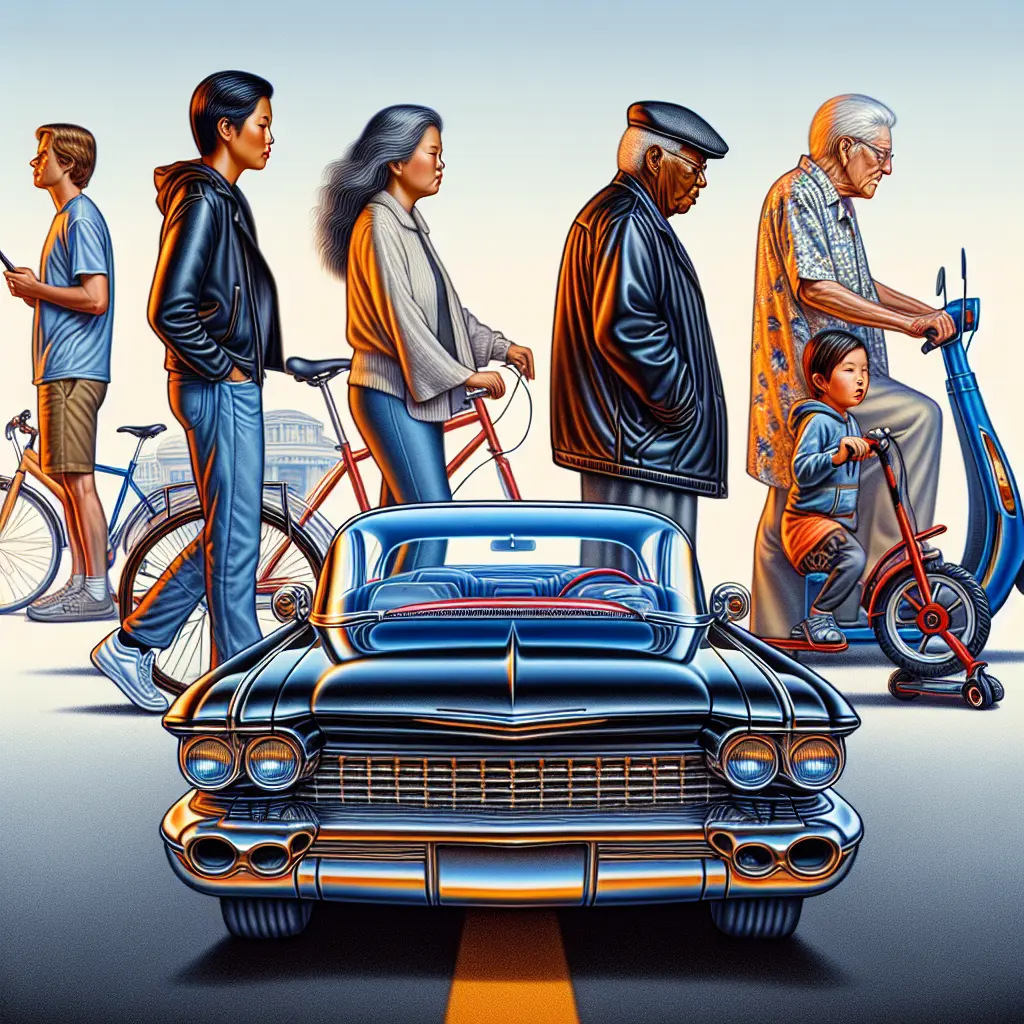
The tide is turning on car ownership in America as more people seek sustainable alternatives to get around. For generations, owning a car has been woven into the fabric of American life, symbolizing freedom, independence, and mobility. Yet, a growing number of Americans are now reconsidering this long-held tradition.
Rising costs of vehicles, insurance, maintenance, and fuel have made car ownership less attractive—prompting many to look for smarter, greener ways to navigate urban environments. As cities expand and environmental concerns grow, people are beginning to question whether private vehicle ownership is still the best option.
Affordability Concerns: Car prices have surged, and so have the ancillary costs associated with them. For many, the financial burden of owning and maintaining a personal vehicle no longer makes sense.
Environmental Awareness: Growing consciousness about carbon emissions and air quality is motivating city dwellers to consider eco-friendly transportation options.
Urbanization: As more Americans move to cities, the practicality of owning a car diminishes due to traffic congestion, limited parking, and effective public transport networks.
The Shift Towards Sustainable Urban Mobility
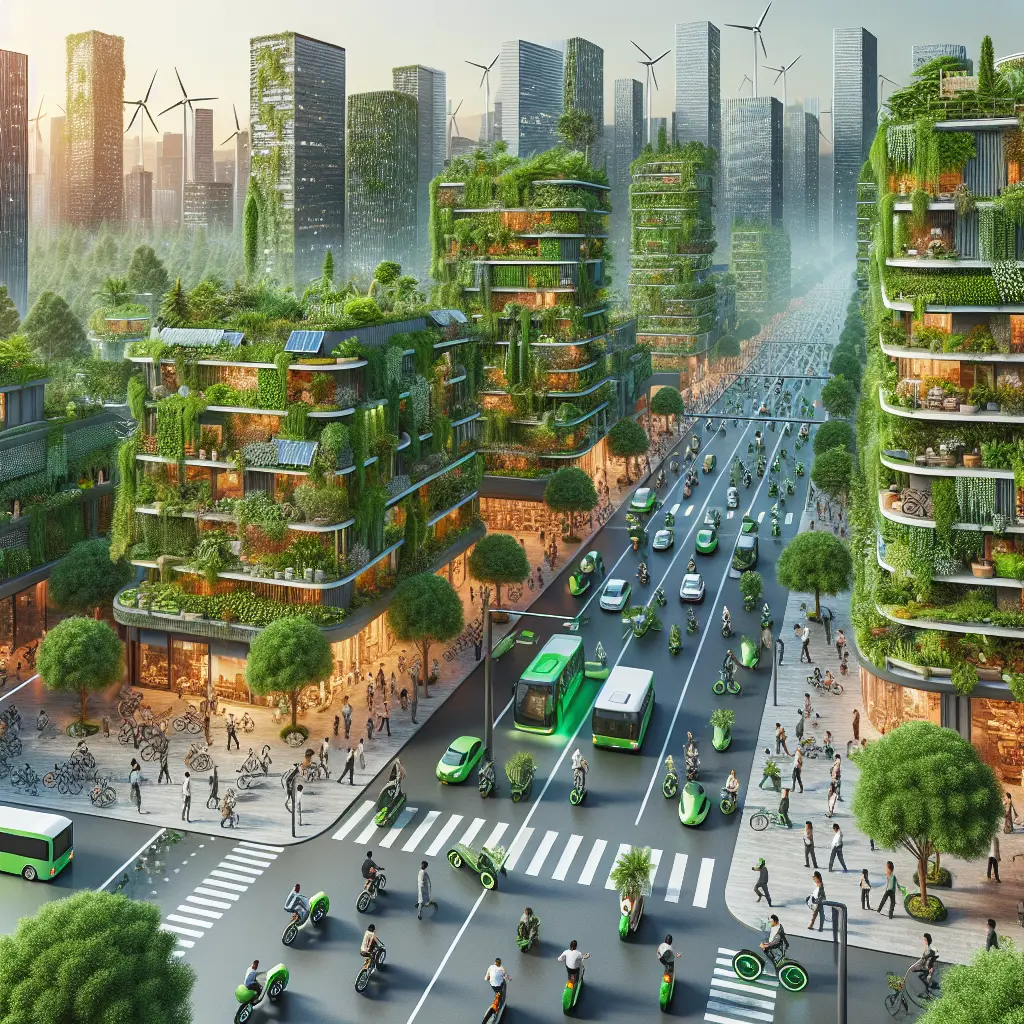
As urban populations swell and cities confront congestion and pollution challenges, the need for sustainable urban mobility has never been more urgent. Americans are exploring a variety of mobility solutions that support sustainable living and reduce reliance on private vehicles.
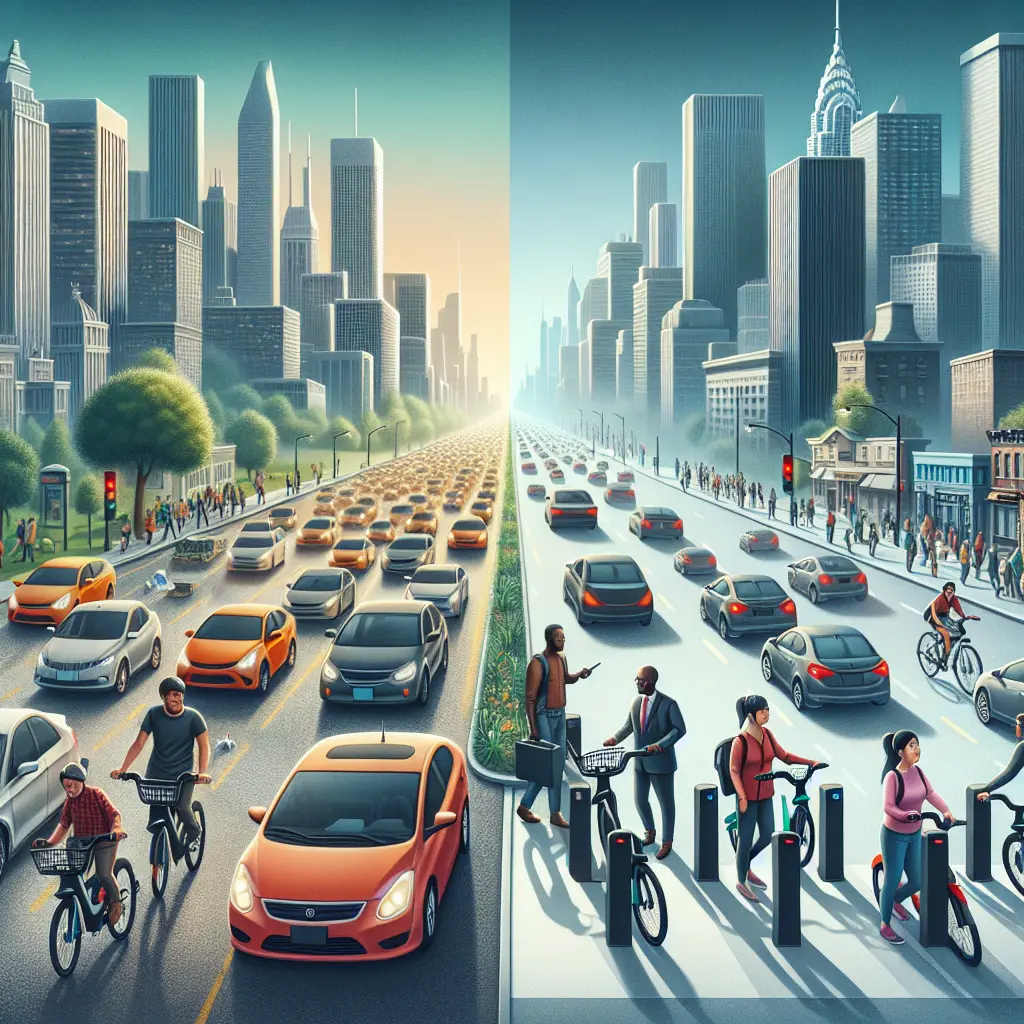
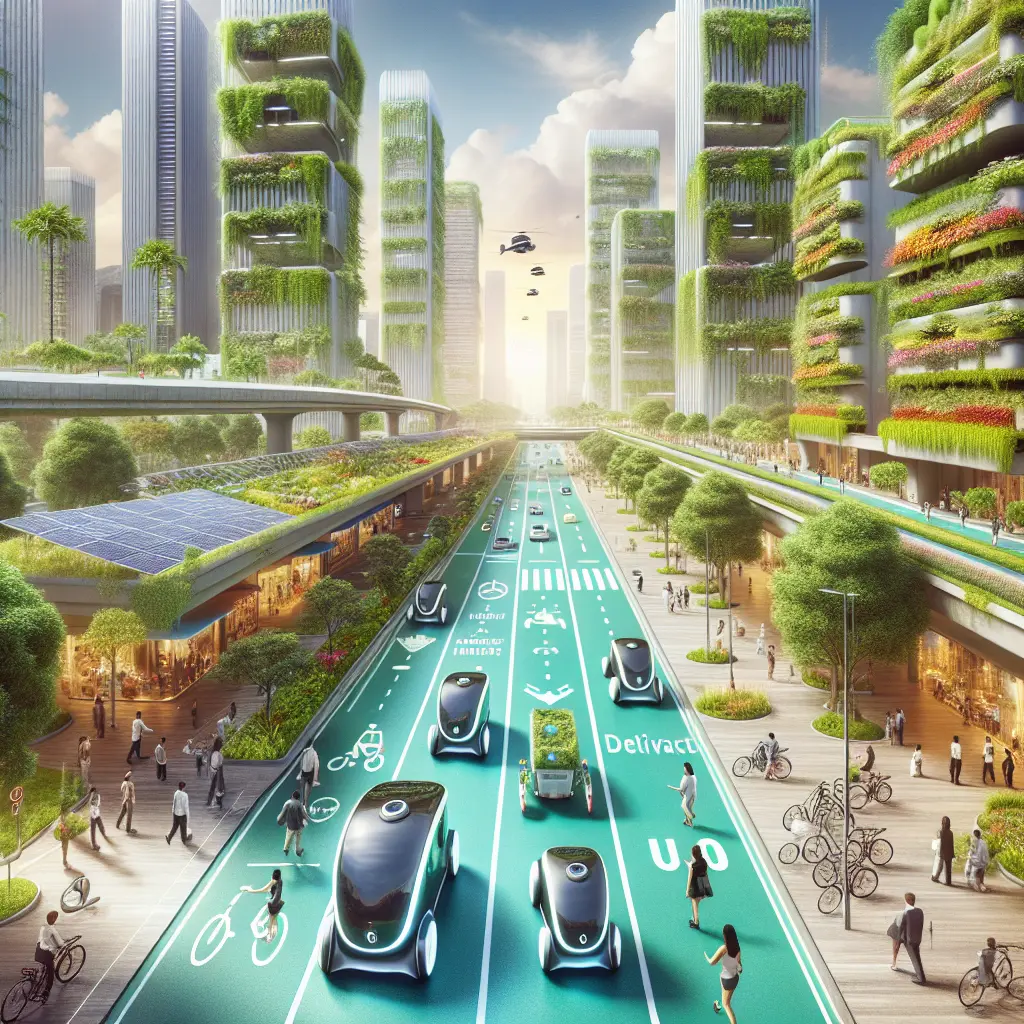
Public Transportation: Efficient buses, trains, and subways are becoming increasingly popular, especially as cities invest in cleaner fleets and expanded service. Biking and Micromobility: Bikes, e-bikes, scooters, and other small-scale transport options are now essential fixtures in many urban landscapes, offering flexible and low-impact ways to travel short distances. Car-Sharing and Ride-Hailing Services: Platforms that facilitate shared vehicle use reduce the need for personal car ownership while helping to decrease the total number of vehicles on the road. Walking-Friendly Urban Design: Many cities are redesigning streetscapes to prioritize pedestrians over cars, making walking a safer and more enjoyable option.
The move away from car ownership isn’t just a matter of personal finance—it’s a critical step toward creating cities that are healthier, more livable, and better equipped to face climate change. Sustainable mobility reduces traffic congestion and air pollution, improves public health through active transportation, and fosters inclusive communities by making transportation accessible to all.
While the cultural image of the car as an emblem of independence may persist, practical realities are steering Americans toward a new vision for urban mobility—one grounded in sustainability and shared resources.
Exploring Alternatives and Looking Ahead
By embracing alternatives to private vehicle ownership, cities can pave the way for cleaner air, less congestion, and a higher quality of urban life. Many urban planners and policymakers are supporting this movement by investing in public transit infrastructure and pedestrian-friendly city designs.
For a deeper dive into how Americans are rethinking their relationship with cars, check out this article: Americans Are Losing Interest in Buying a Car.
Let’s keep moving toward a future where our cities are designed for people—not just cars. This shift not only benefits individuals but also contributes to healthier communities and a more sustainable planet.
Sustainable urban mobility offers hope for cleaner, more inclusive cities where everyone can thrive—without depending on private vehicles as the default mode of transportation.
The movement away from car ownership is gaining momentum—and it’s changing the way Americans experience city life.


Leave a Comment