

As cities across the globe accelerate their shift towards sustainable urban mobility, the integration of electric vehicles (EVs) is not just transforming transportation—it’s also redefining urban safety and accessibility through innovations like electric vehicle sound generators.
Urban mobility is undergoing a seismic shift, with electric vehicles at the forefront of sustainable transportation strategies. While EVs offer clear environmental benefits by reducing emissions and improving air quality, their near-silent operation introduces a unique safety challenge: the risk they pose to pedestrians, especially in bustling city environments. This issue is particularly acute for visually impaired individuals, for whom vehicle sounds serve as critical cues for safe navigation.
To address this gap, regulators worldwide are mandating the use of Acoustic Vehicle Alerting Systems (AVAS) or sound generators in electric vehicles. These devices emit artificial sounds at low speeds, alerting pedestrians to an approaching EV and thereby enhancing street safety without sacrificing the environmental advantages of quiet propulsion.
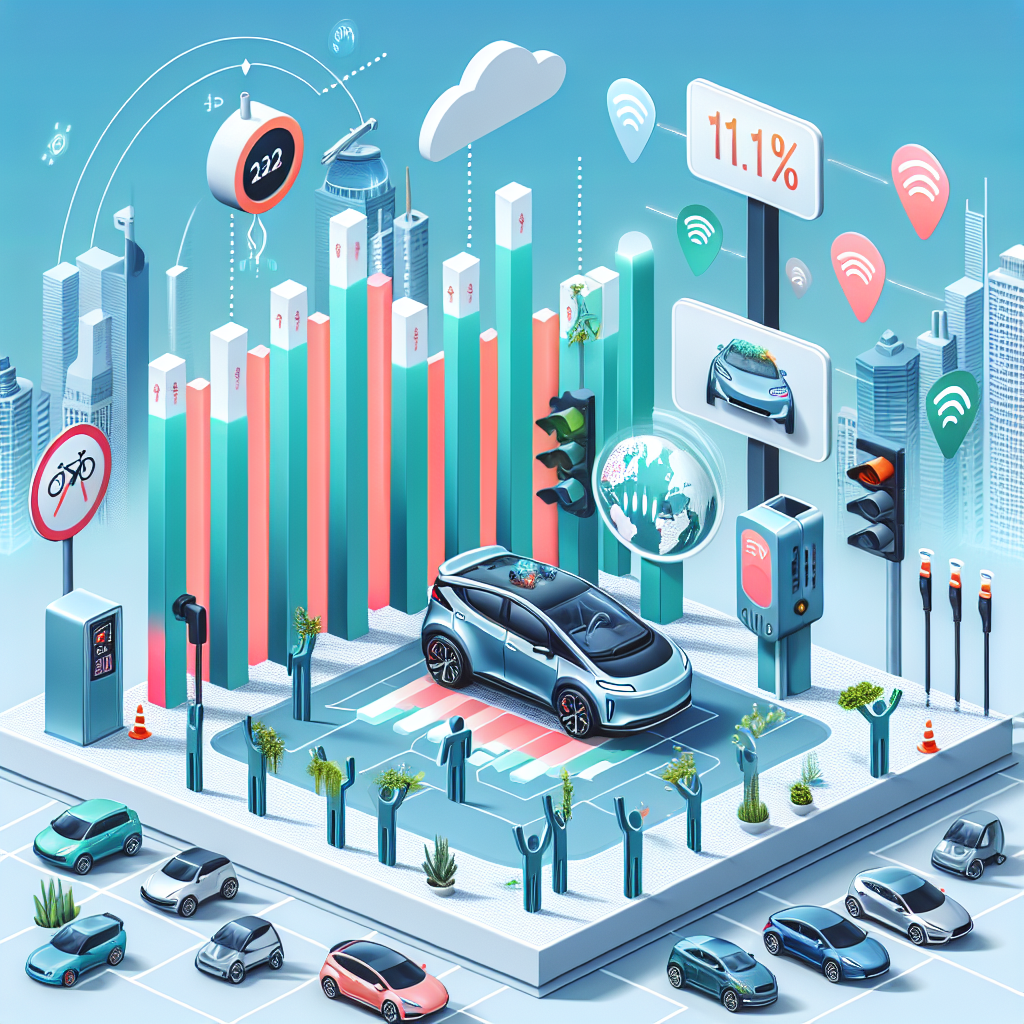
Recent market research forecasts robust growth in the electric vehicle sound generator sector, projecting an impressive compound annual growth rate (CAGR) of 11.1% through 2032. This expansion is powered by several converging trends: stringent safety regulations, booming EV adoption in urban areas, and rapid urbanization combined with smart city initiatives.
Europe currently leads the market thanks to its rigorous regulatory framework and proactive automotive industry. However, Asia-Pacific is quickly catching up—Japan’s early adoption and China’s ambitious electrification goals are fueling regional growth. Meanwhile, Latin America and the Middle East represent emerging opportunities as they ramp up their own EV initiatives.
Key Industry Developments in Electric Vehicle Sound Technology
The pace of innovation in electric vehicle sound generators is accelerating. Leading automakers such as Nissan, Tesla, BMW, and Honda now equip new models with AVAS as standard. The industry is also seeing a rise in personalization, with manufacturers creating distinctive soundscapes to enhance both safety and user experience. For instance, Tesla’s latest AVAS system allows drivers to personalize their EV sounds. Additionally, partnerships between tech firms and automakers are giving rise to AI-based sound management systems that adapt to urban conditions in real time.
Despite these advancements, several challenges persist. Integration costs can be prohibitive for smaller manufacturers, while consumer perceptions regarding artificial vehicle sounds vary widely—some drivers find them intrusive or unnecessary. Regulatory variance across regions further complicates global rollout strategies, requiring flexible product design and compliance approaches.
Opportunities abound for industry players who can navigate these challenges. Customizable sound profiles provide new branding avenues and foster loyalty among drivers. As regulations become more widespread, demand for retrofit AVAS solutions will rise for existing electric vehicles. Looking forward, sound generators will play a critical role in the safe integration of autonomous vehicles into urban environments—helping ensure pedestrian protection even when human drivers are absent.
Integrating sound generators into EVs is more than a regulatory box-check—it’s an essential component of building safer, smarter cities where sustainable mobility is accessible to everyone. By proactively addressing the silent operation of EVs, both urban planners and automakers are proving that green transportation can go hand-in-hand with inclusivity and safety.
Why Sound Generators Matter for Urban Sustainability
Ongoing innovation and international collaboration are ensuring that electric vehicle sound generator technology continues to evolve. This not only bridges the gap between sustainability and daily urban life but also demonstrates how technology can support safer streets for all residents. For more information on this growing market and its impact on urban safety, visit the research article at openPR.
Electric vehicle sound generators represent a new frontier in making our cities not only greener but also safer and more inclusive. Their adoption marks an important step toward smart mobility ecosystems where technological advances directly translate into improved quality of life for everyone navigating urban spaces.
As more cities invest in electrification and urban mobility upgrades, expect continued momentum in the development and deployment of these innovative safety features.
In conclusion, electric vehicle sound generators illustrate how thoughtful integration of technology can enable sustainable progress without sacrificing accessibility or safety. With ongoing advancements, every city street can hum with the sound of sustainability while ensuring safer journeys for all.
Here’s to a future where every city street hums with the sound of sustainability—and every step we take is safer for all.






Leave a Comment