
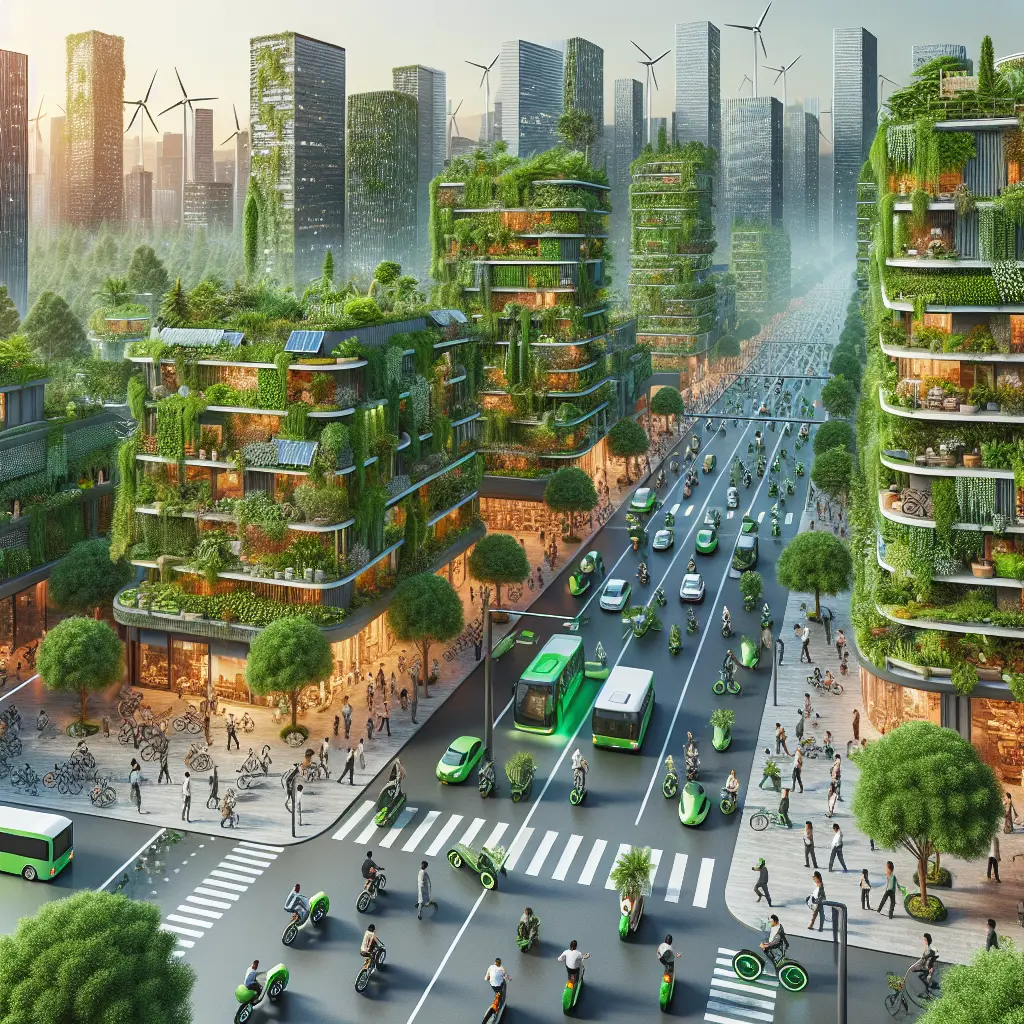
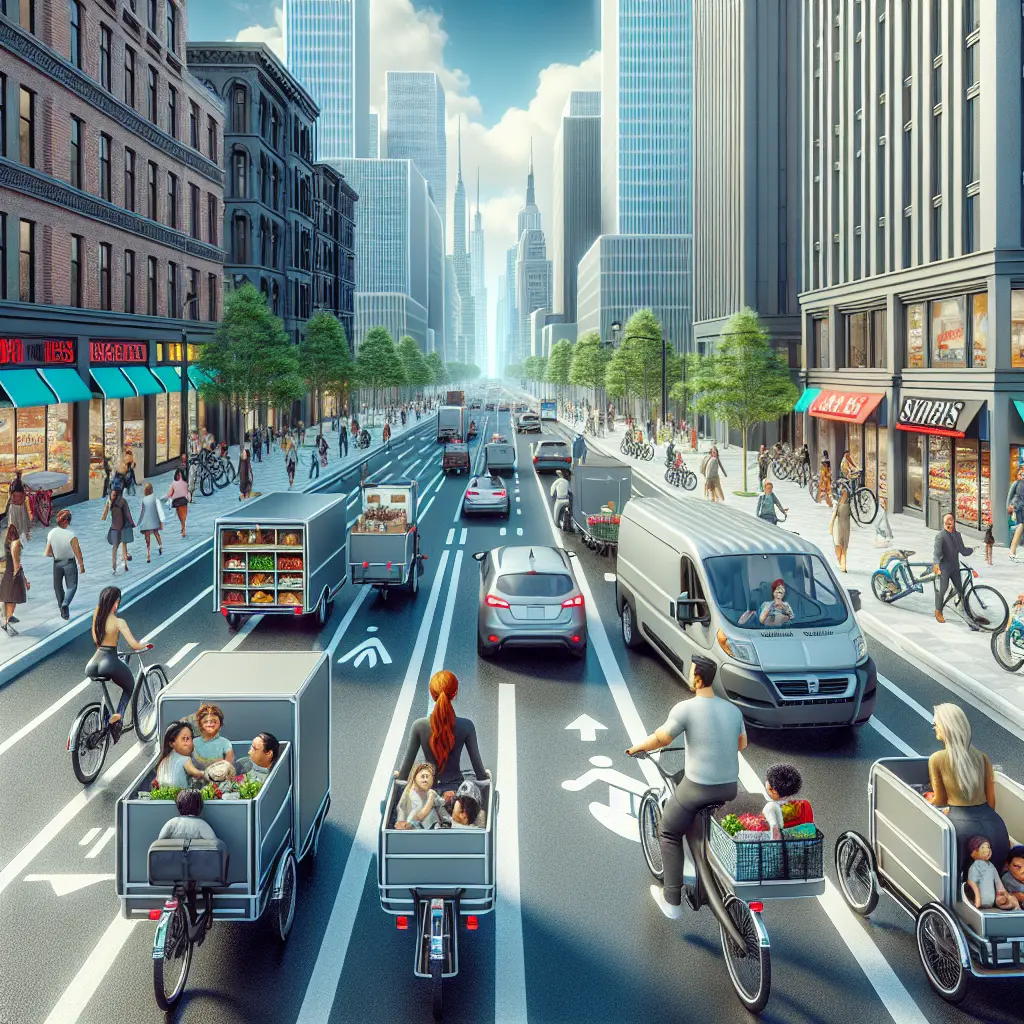
Urban mobility is undergoing a green revolution, and innovative solutions like modular cargo bikes are driving the change toward more sustainable cities.
In the past few years, city life has experienced a transformative shift in how people move around. The global pandemic played a significant role in encouraging urban dwellers to turn to bicycles for their daily commutes and errands. Even as the world adapts to post-pandemic realities, the momentum behind cycling and micro-mobility options has only grown stronger. This trend is not just about convenience—it is about embracing cleaner, healthier, and more sustainable ways of navigating the urban landscape.
Modular Cargo Bikes: Redefining Urban Transport
One of the latest breakthroughs in sustainable urban mobility is the emergence of modular cargo bikes. Unlike traditional bicycles, these innovative vehicles are engineered to accommodate various cargo needs, making them highly versatile for city living. For example, the MONoPOLE No O1 cargo bike introduces a modular cargo system that reimagines how goods, groceries, and personal items are transported in busy metropolitan areas.
Key Advantages of Modular Cargo Bikes
Flexibility: The modular design allows riders to customize their cargo space according to the task—be it carrying shopping bags, delivering parcels, or even transporting children safely.
Eco-Friendly: As zero-emission vehicles, cargo bikes drastically cut down on pollution and traffic congestion compared to cars or delivery vans.
Space Efficiency: Their compact footprint enables riders to maneuver through crowded streets and park easily, reducing strain on limited urban space.
Accessibility: Modular bikes provide a cost-effective alternative to car ownership, making sustainable transport accessible to a wider range of people.
The Growing Impact of Modular Cargo Bikes on Cities
Cities around the world are increasingly supporting cycling infrastructure by developing dedicated bike lanes, integrating bike-sharing programs, and incentivizing eco-friendly transport solutions. With modular cargo bikes like the MONoPOLE No O1 entering the scene, both individuals and businesses can benefit from efficient, sustainable options for last-mile deliveries and personal errands.
Sustainable urban mobility is more than just a trend—it is a necessary evolution as cities confront the challenges of pollution, congestion, and climate change. By adopting innovative vehicles such as modular cargo bikes, city dwellers can contribute to a cleaner environment while enjoying flexible and convenient transportation.
For those interested in learning more about this new wave of sustainable urban mobility, you can read about the MONoPOLE No O1 cargo bike’s unique features here.
Let’s continue to pedal towards cities where movement is not just efficient, but also mindful of our planet’s future. Here’s to building better, greener communities—one ride at a time.
Paving the Way for Greener Urban Communities
The adoption of modular cargo bikes represents a significant step forward in reimagining city life with sustainability at its core. As infrastructure improves and more people embrace these eco-friendly solutions, cities can look forward to less congestion, cleaner air, and healthier residents.
With ongoing advancements in design and technology, modular cargo bikes are set to become an integral part of tomorrow's urban landscape. Their flexibility and eco-friendly profile make them a practical choice for both individuals and businesses alike.
By choosing alternatives like modular cargo bikes, everyone can play a part in shaping more livable cities. Whether it is for daily commutes or sustainable deliveries, these innovative vehicles offer a glimpse into a future where city movement is harmonious with environmental goals.
As urban mobility continues its green revolution, let’s embrace these changes for healthier, more resilient communities across the globe.



Leave a Comment