

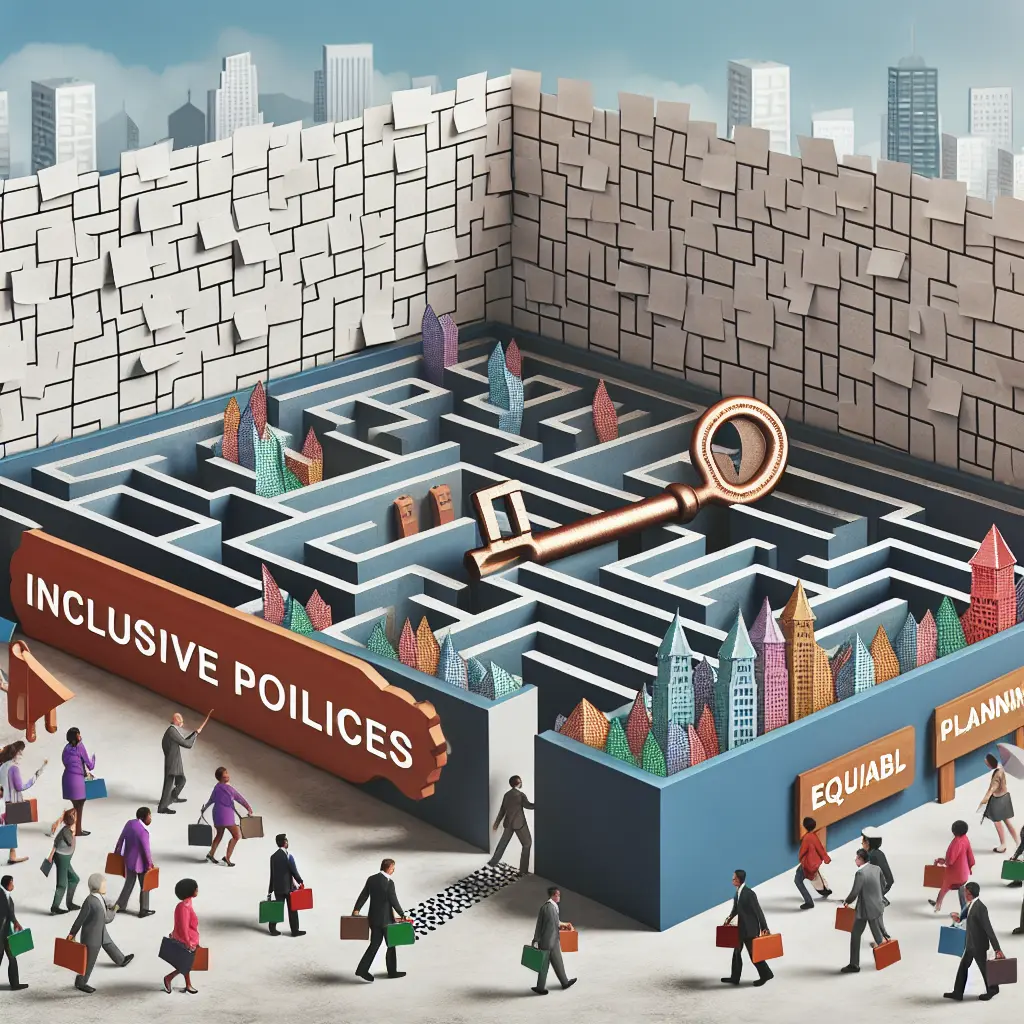
Sustainable urban mobility isn't just about greener transportation—it’s about breaking down the structural barriers that limit access and movement for all city residents.
Cities across the globe are increasingly recognizing the importance of sustainable urban mobility as they strive to create environments that are not only environmentally friendly but also socially equitable. However, true progress in sustainable mobility demands a closer look at the invisible walls that prevent some communities from enjoying the same freedom of movement as others.
Understanding Structural Barriers to Mobility
Structural barriers refer to the policies, practices, and societal norms that systematically restrict the mobility of certain groups—most notably, Black and marginalized communities. These obstacles can be deeply embedded in urban planning, law enforcement, and infrastructure design. The excerpt from Charles T. Brown's “Arrested Mobility: Overcoming the Threat to Black Movement” underscores how these factors have historically limited opportunities for Black individuals to move freely and safely within their own cities.
Why Mobility Equity Matters in Sustainability
Sustainability in urban mobility isn’t achieved merely by introducing bike lanes or electrifying buses. It means ensuring:
- Accessibility for all: Transit systems must be accessible to people regardless of race, income, or ability.
- Safety without discrimination: Law enforcement practices around traffic stops or pedestrian checks should not disproportionately target minority populations.
- Affordability: Public transport and alternative mobility options must remain financially accessible to everyone.
Key Steps Toward Equitable Urban Mobility
To move toward truly sustainable urban mobility, planners and policymakers need to:
- Acknowledge historic injustices: Understanding how past decisions have shaped current disparities is vital.
- Engage affected communities: Solutions must be informed by those most impacted by mobility barriers.
- Reform policy and enforcement: From zoning laws to traffic enforcement, policies should be critically examined and reformed to promote equity.
- Invest in inclusive infrastructure: Prioritize projects that enhance connectivity and safety for underserved neighborhoods.
The Broader Benefits of Dismantling Barriers
Removing structural barriers doesn’t just benefit marginalized groups; it creates a healthier, more vibrant city for everyone. Enhanced mobility options can reduce traffic congestion and pollution, boost local economies by connecting people to jobs and services, and foster a sense of community and belonging.
By focusing on equity in mobility planning, cities not only address past injustices but also pave the way for a more inclusive and prosperous urban future for all residents.
Sustainable urban mobility is as much about justice as it is about the environment. By dismantling the structural obstacles that hinder equitable movement, cities can become more resilient, inclusive, and sustainable for generations to come.
To delve deeper into this critical issue, you can read the adapted excerpt from Charles T. Brown’s work here.
Pushing Forward: Making Sustainable Mobility a Right
Let’s keep pushing for cities where sustainable mobility is a right shared by all—not a privilege for a few.
Ensuring that everyone can access safe, affordable, and reliable transportation is essential to building truly sustainable cities. The benefits ripple throughout society—from healthier communities to stronger local economies.
With continued commitment and collective action, we can transform our cities into places where movement is not just green but also fair and accessible to all.
Sustainable urban mobility must be built on foundations of equity, justice, and inclusivity for lasting impact.



Leave a Comment