

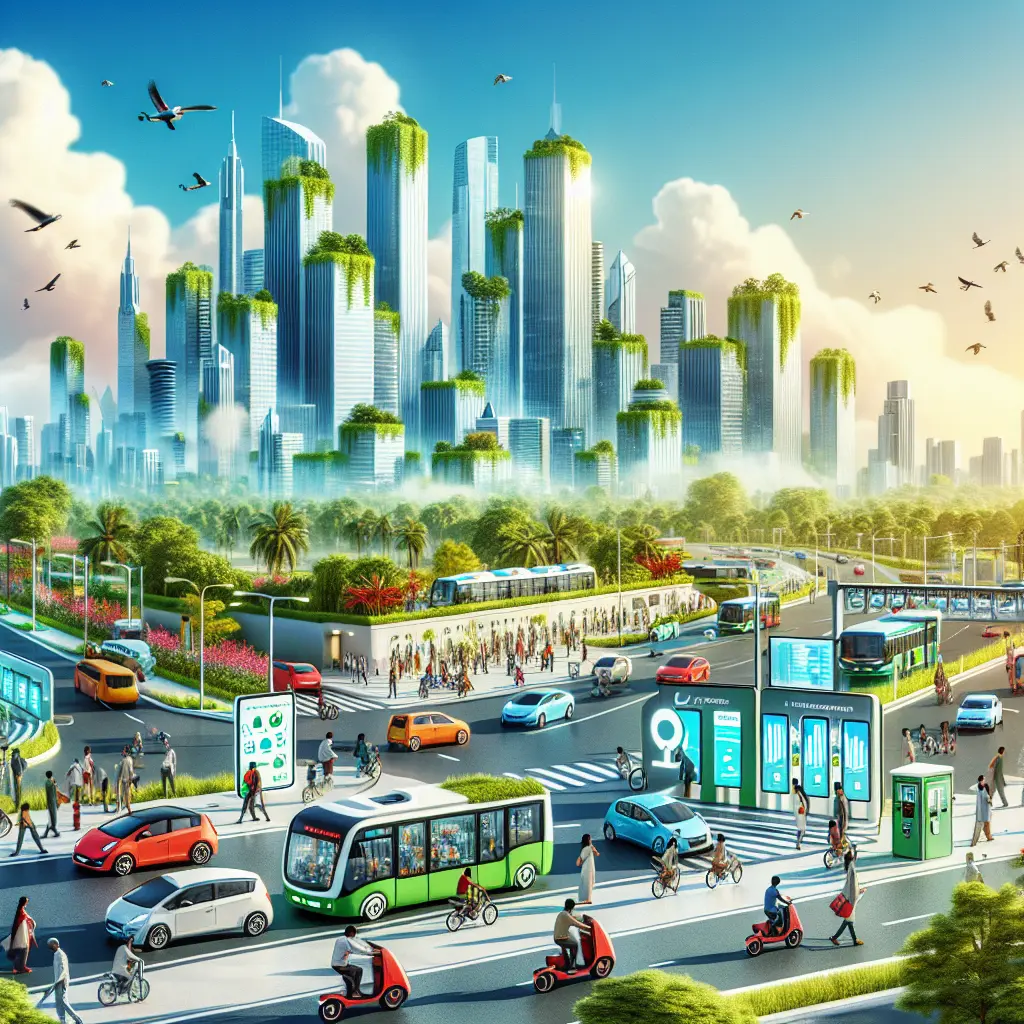
As cities around the world race toward sustainability, India is stepping onto the global stage with a bold vision for sustainable urban mobility driven by electric vehicles (EVs).
The shift towards sustainable urban mobility has never been more urgent. With rapidly growing cities and rising concerns over air pollution, traffic congestion, and fossil fuel dependence, reimagining how people move is central to creating livable, future-ready urban centers.
India is poised at a pivotal moment. As the fourth-largest automaker globally and home to over a sixth of the world’s population, the country has a unique opportunity—and responsibility—to lead in green mobility solutions.
Amitabh Kant, G20 Sherpa and former CEO of NITI Aayog, recently emphasized the critical need for India to adopt electric mobility now. He warns that failing to do so could mean missing the chance to become the world’s leading EV manufacturer—a title that could fundamentally transform both India’s economy and its urban landscape.
Why Electric Vehicles Matter for Sustainable Cities: Adopting electric vehicles is more than just an automotive trend; it’s a cornerstone of sustainable urban mobility. EVs can reduce air pollution by producing zero tailpipe emissions, lower the carbon footprint when powered by renewable energy, deliver higher energy efficiency through electric drivetrains, and open up economic opportunities by creating new jobs and fostering innovation in clean technology.
Opportunities and Challenges on India’s EV Roadmap
Projections suggest that by 2030, India could see a dramatic rise in the adoption of electric vehicles. This transition brings numerous leadership opportunities such as boosting domestic manufacturing to potentially become a global export hub, revamping urban infrastructure with charging networks and smart city planning, and making public transit cleaner by integrating electric buses, rickshaws, and shared mobility options.
However, there are notable challenges. Building adequate charging infrastructure across cities, ensuring affordable access to EVs for the masses, and securing reliable renewable energy sources are crucial steps on this journey toward large-scale adoption.
For India’s cities—and urban centers worldwide—the path forward is clear: embracing electric vehicles as part of a holistic approach to sustainable mobility. This transformation requires collaboration among governments, businesses, and citizens to build transportation systems that are clean, inclusive, and resilient.
If successful, India’s leadership in EVs won’t just benefit its own cities; it has the potential to inspire global action toward greener, smarter urban mobility solutions.
Driving Collective Change for Sustainable Mobility
Together, we have the power to drive change—one electric mile at a time.
Stay informed and read more on this transformative shift in sustainable mobility in the original article.



Leave a Comment