

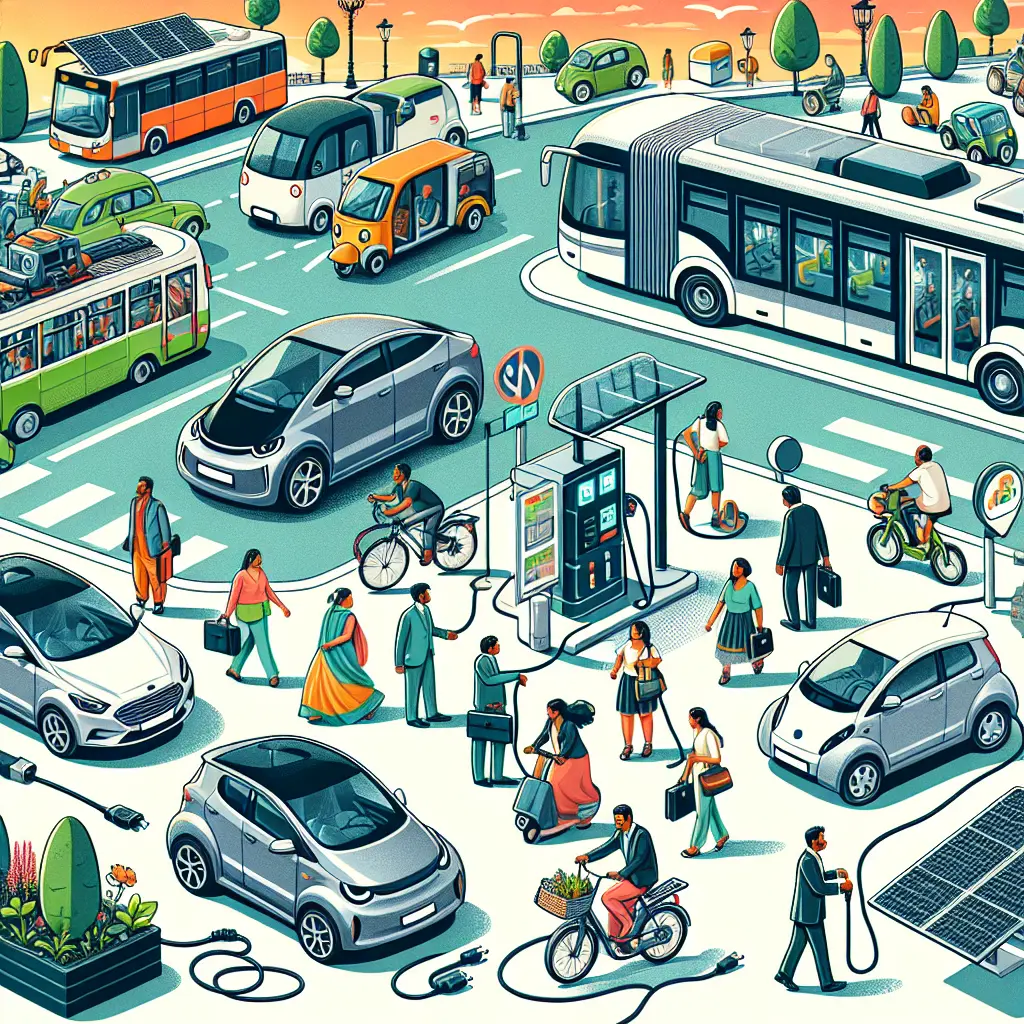
As cities around the world strive to create greener, more efficient urban environments, Maharashtra’s newly unveiled Electric Vehicle Policy 2025 sets a significant benchmark for sustainable urban mobility.
The transition to sustainable urban mobility is not just about reducing emissions, but also about reimagining the way we move within our cities. Maharashtra’s latest initiative offers a compelling blueprint for how policy, infrastructure, and incentives can come together to drive this transformation.
Key Highlights of Maharashtra’s EV Policy 2025
Subsidies on EV Purchases: The policy introduces substantial financial incentives to encourage individuals and businesses to adopt electric vehicles (EVs), making cleaner mobility options more accessible.
Toll Waivers: To further incentivize EV adoption, the state has waived tolls for electric vehicles on major highways. This directly reduces the cost of commuting for EV users, while promoting their use on longer journeys.
Expanding Infrastructure and Investment
Expanded Charging Infrastructure: A major focus is the development and expansion of charging stations across urban and suburban areas. This not only addresses range anxiety for potential buyers but also ensures that the EV ecosystem is robust and reliable.
Significant Budget Allocation: With a dedicated budget of Rs 1,993 crore, the policy demonstrates serious commitment, ensuring that resources are available to turn these ambitions into reality.
Why This Matters for Urban Mobility
Urban centers are grappling with congestion, pollution, and over-dependence on fossil fuels. Maharashtra’s forward-thinking policy addresses these challenges by:
1. Lowering Emissions: Promoting electric vehicles directly contributes to better air quality and a healthier urban environment.
2. Encouraging Modal Shift: Financial incentives make it attractive for commuters to switch from traditional vehicles to EVs.
3. Strengthening Infrastructure: The expansion of charging stations integrates seamlessly with city planning, supporting both private and public electric transport options.
4. Supporting Economic Growth: Investment in green technology creates jobs, supports local industries, and positions the state as a leader in the growing EV market.
A Model for Sustainable Urban Mobility
Maharashtra’s approach can serve as an inspiration for other urban areas aiming to transition towards sustainability. By tackling affordability, convenience, and infrastructure simultaneously, the state demonstrates that comprehensive policy measures can accelerate sustainable urban mobility.
For more detailed insights into the policy’s features and impact, you can read the full article here.
Conclusion
Sustainable urban mobility is about more than just new technology—it’s about systemic change. Maharashtra’s EV Policy 2025 is a shining example of how government action can catalyze transformation in our cities, setting the stage for cleaner air, quieter streets, and more livable communities.
Let’s keep moving forward—one electric mile at a time.




Leave a Comment