
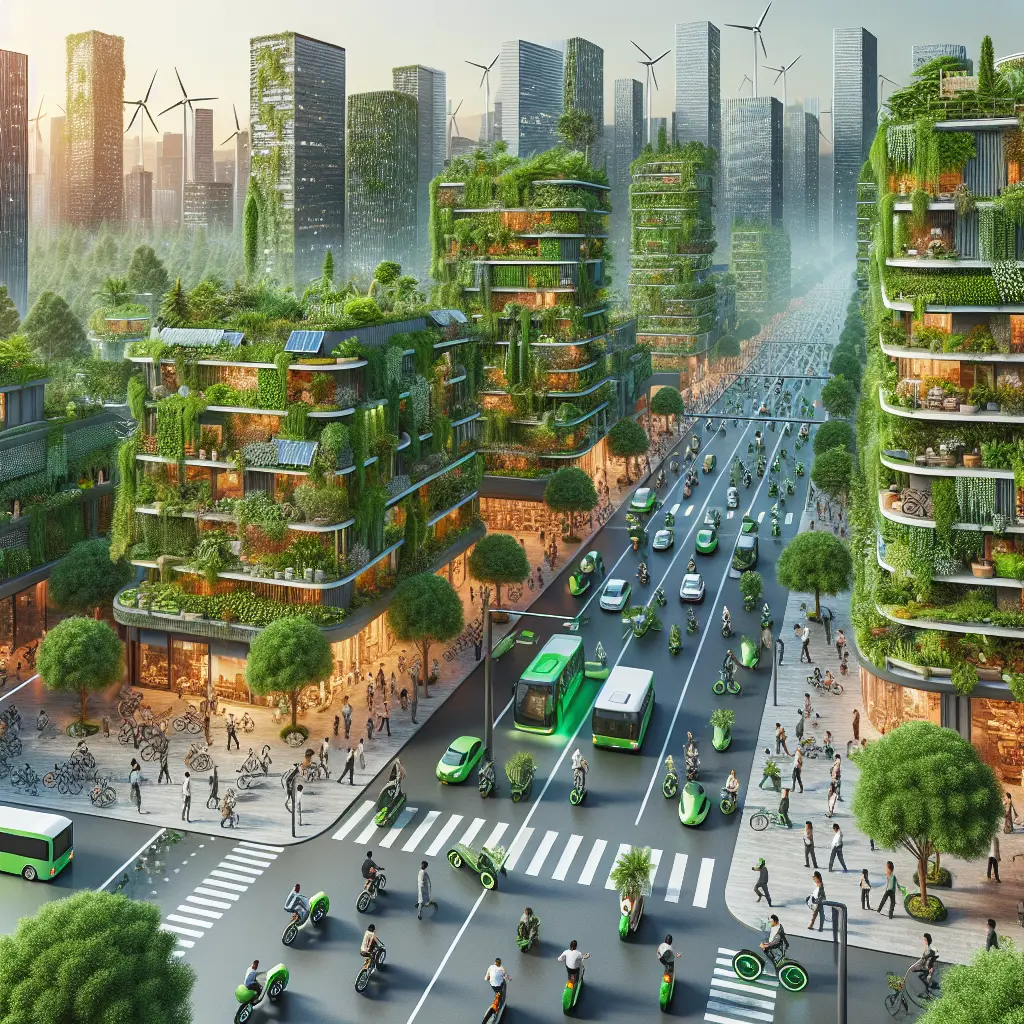
A new era of integrated, sustainable urban mobility is unfolding as digital platforms and public transit services converge. Urban mobility is at the heart of sustainable city living, and recent innovations are making it more convenient and eco-friendly than ever before. A noteworthy step in this direction is the launch of metro ticketing on the Uber app for commuters in Delhi. This integration marks a significant stride towards seamless, multimodal journeys that reduce the environmental footprint of urban transportation.
As digital technology transforms the way we travel, collaborations between ride-hailing platforms and public transport networks are paving the way for smoother commutes and greener cities. Integrating these services not only benefits daily commuters but also contributes to broader sustainability goals.
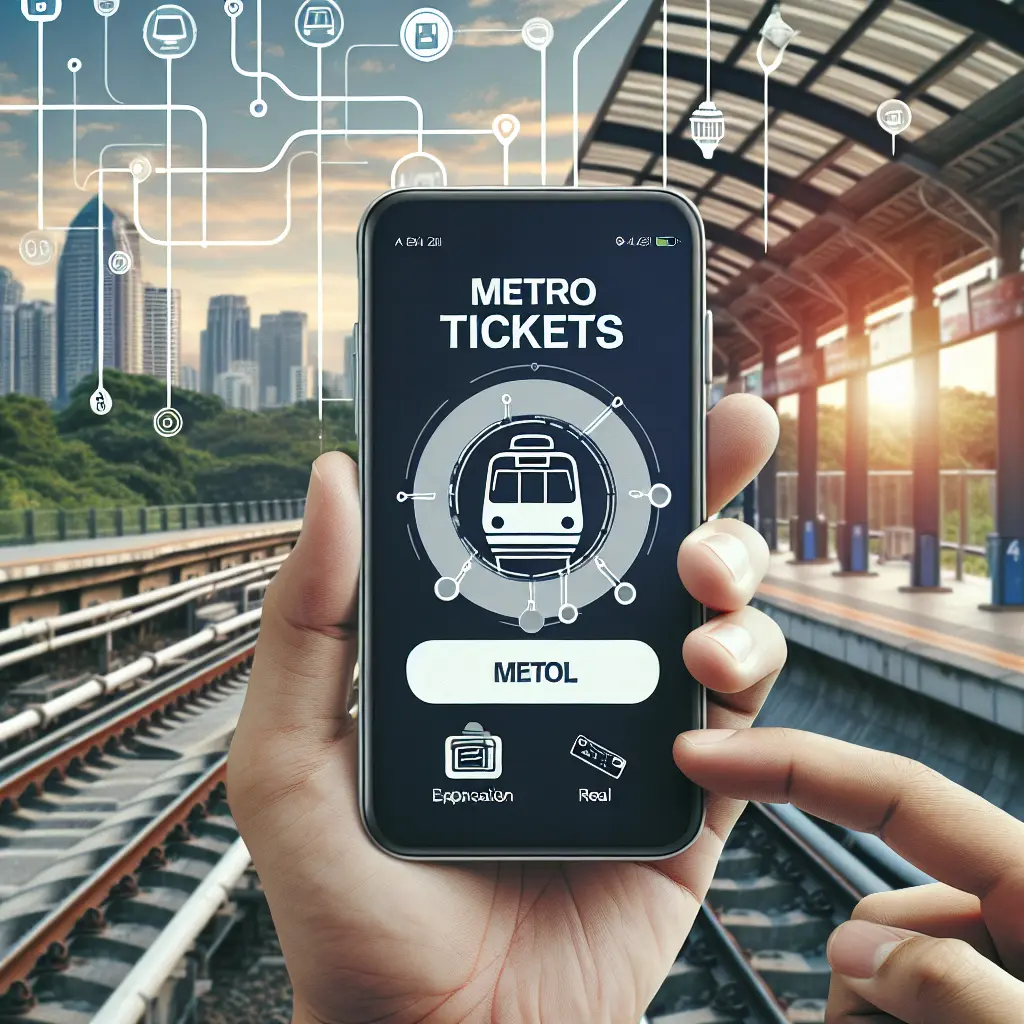
Starting today, residents of Delhi can plan their metro journeys, purchase QR-based tickets, and access real-time transit information—all within the Uber app. This new feature is powered by the Open Network for Digital Commerce (ONDC), showcasing how collaborative digital ecosystems can drive sustainable solutions.
Seamless Planning: Users can plot their metro routes alongside ride-hailing options, encouraging a mix of private and public transport. Paperless Ticketing: The adoption of QR-based digital tickets significantly reduces paper waste and streamlines entry processes. Real-time Updates: Access to live transit data empowers commuters to make informed decisions, minimizing waiting times and maximizing efficiency.
The impact of such integration is set to expand further. Plans are underway to extend this service to three more Indian cities. Beyond urban commuters, similar technology is being targeted for business-to-business (B2B) logistics—a move that could transform the sustainability of goods movement in metropolitan areas.
The Significance of Digital Integration in Urban Commutes
Bringing together ride-hailing and public transit under a single platform offers multiple sustainability benefits. By combining first-mile and last-mile ride options with mass transit, the approach encourages fewer personal vehicles on the road, reducing traffic congestion in busy cities.
Increased public transit usage results in a substantial reduction in greenhouse gas emissions, making city life cleaner and healthier. Additionally, digital platforms simplify navigation, inviting more people to choose greener travel options and making public transport more accessible for everyone.
Urban populations are steadily growing, intensifying the need for sustainable mobility solutions. Integrations like Uber’s metro ticketing aren’t just about convenience—they are essential steps toward fostering resilient, eco-conscious cities for future generations.
As more cities embrace collaborative models and digital innovation, urban dwellers will enjoy faster, greener, and more integrated travel experiences that align with modern sustainability goals.
Expanding Integrated Mobility: The Road Ahead
The success in Delhi sets the stage for similar solutions across more cities and sectors. With plans to bring this integration to additional urban centers and into B2B logistics, the transformation of both passenger and goods transport becomes achievable at scale.
Such digital innovations are key to making cities more livable, efficient, and sustainable—creating a positive impact on traffic flow, air quality, and overall quality of life for residents.
To learn more about this development, you can read the full article here.
Let’s continue championing smart solutions that pave the way toward sustainable urban mobility—one integrated journey at a time.


Leave a Comment