


As cities worldwide race towards a greener future, sustainable urban mobility stands at the forefront of transformative change. The drive to revolutionize transportation in urban areas is no longer just about efficiency—it's about reducing environmental impact and ensuring everyone benefits from innovative mobility solutions.
In the latest Mobility Impact Report (Q1 2025), attention is focused on how innovative fuel solutions and inclusive strategies are shaping the future of urban transportation. A standout finding is the rise of green hydrogen as a cross-sectoral solution, particularly for aviation and maritime transport—two sectors that have traditionally been challenging in terms of emissions reduction.
Urban mobility systems have long sought scalable, eco-friendly alternatives to fossil fuels. The Mobility Impact Report highlights green hydrogen as a promising candidate for large-scale adoption, capable of decarbonizing not only road traffic but also aviation and maritime activities—critical components of global urban logistics.
Key Benefits of Green Hydrogen:
Zero Carbon Emissions: When used as a fuel, green hydrogen emits only water vapor.
Cross-Sectoral Utility: It supports multiple transportation modes, from buses and trains to ships and planes.
Energy Storage Potential: Hydrogen can act as a buffer for renewable energy sources such as wind and solar.
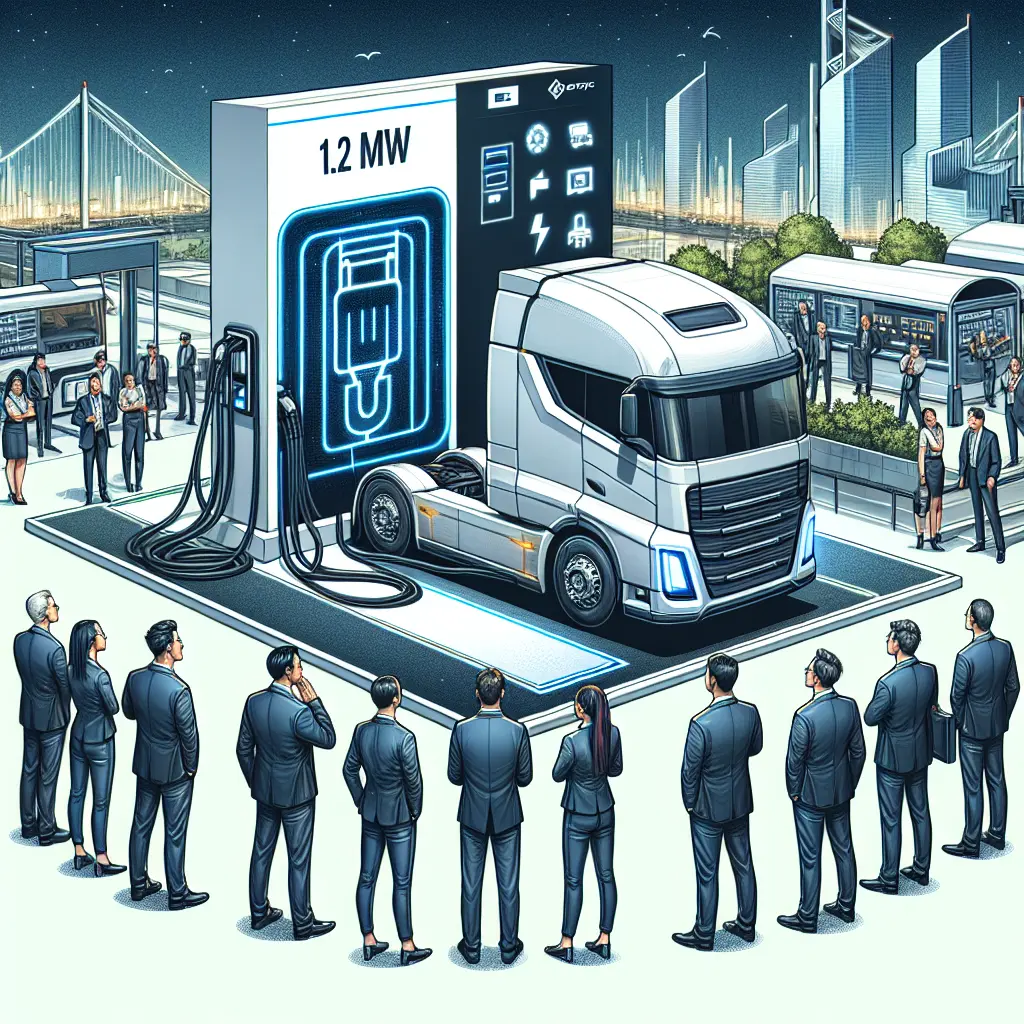
Despite its many advantages, significant infrastructure gaps remain. Urban regions must invest in hydrogen production facilities, refueling stations, and distribution networks to realize the full potential of hydrogen-powered mobility. Without these foundational investments, widespread adoption will remain an aspirational goal.
Addressing Equity and Accessibility in Urban Mobility
Sustainable urban mobility depends not only on new technologies but also on ensuring equitable access. The report calls on mobility companies and city planners to prioritize accessibility so that all populations—including marginalized and underserved communities—can rely on affordable, green transportation options.
Crucial Steps for Closing the Accessibility Gap:
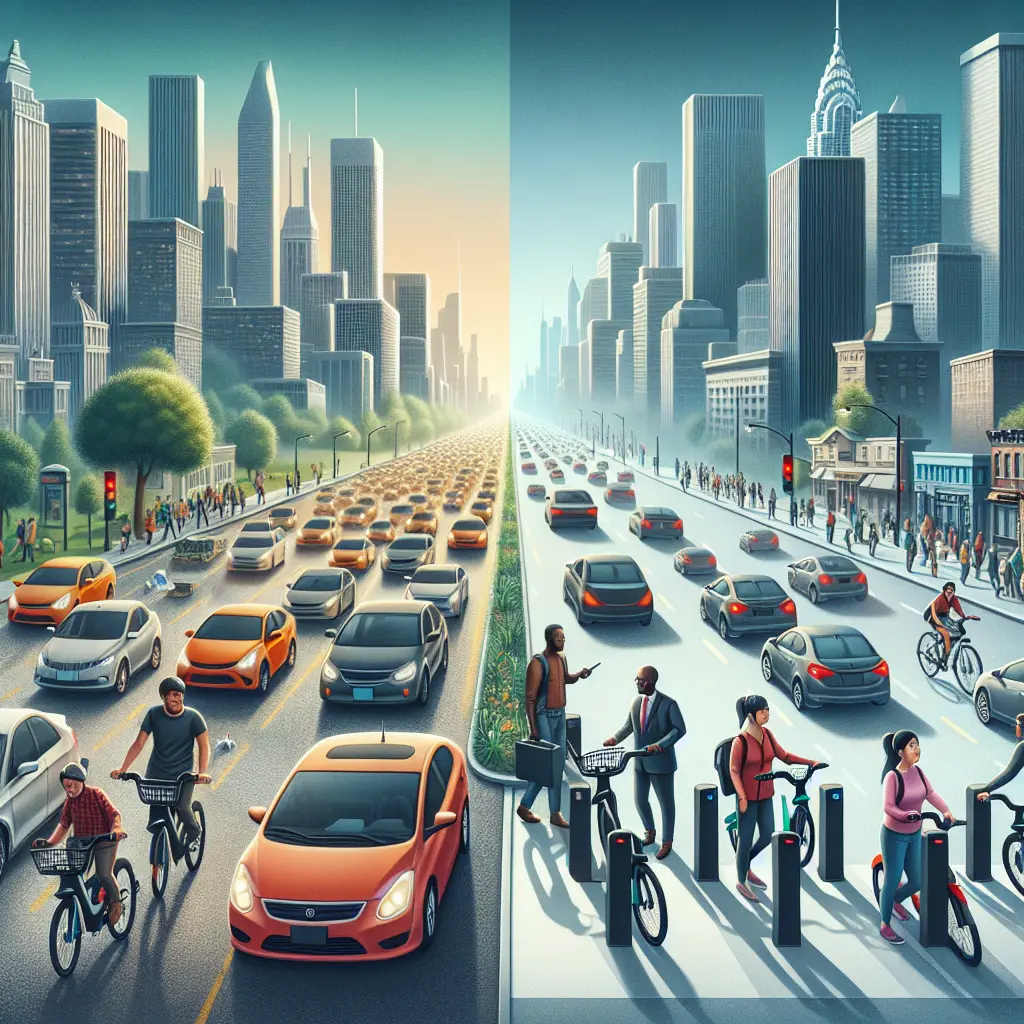
1. Invest in Multimodal Transport Networks: Integrate buses, cycling lanes, and pedestrian zones with new green mobility options.
2. Affordable Pricing Models: Subsidize sustainable transport for low-income users.
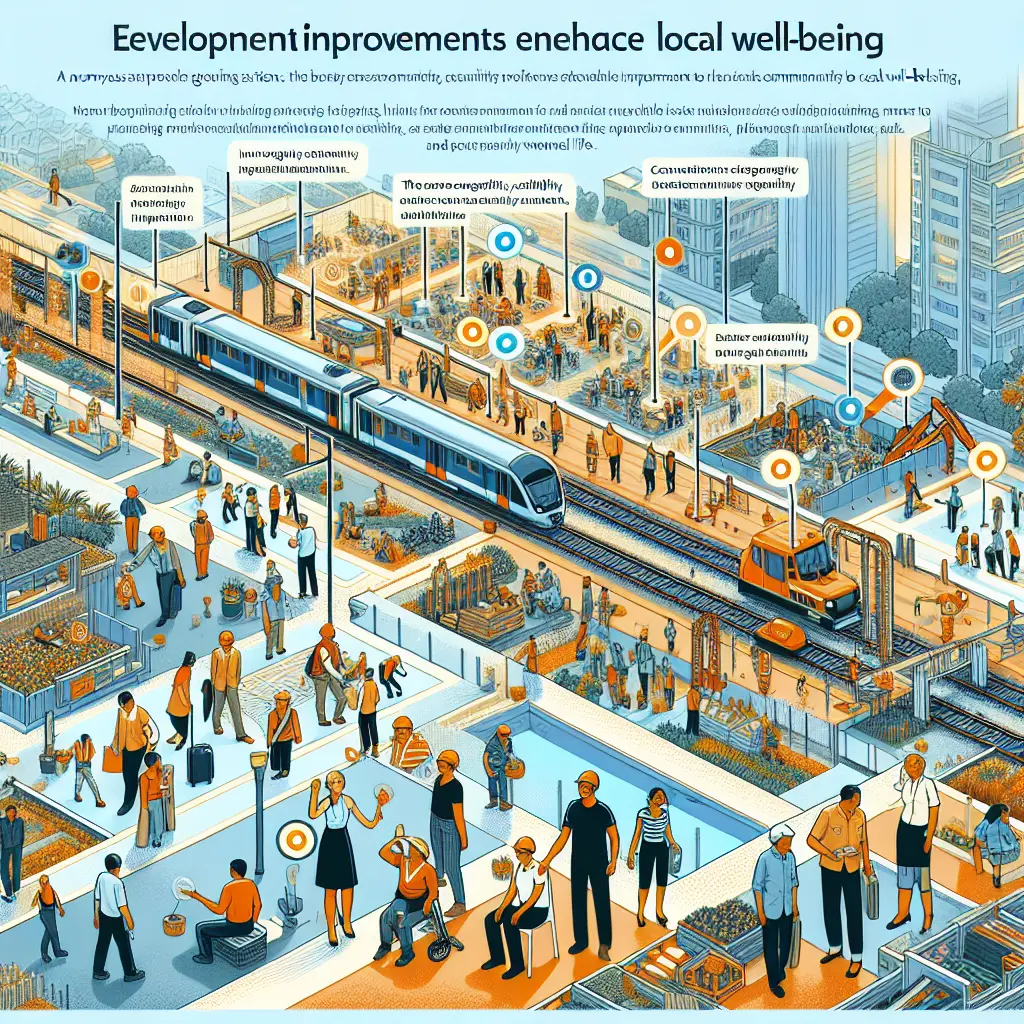
3. Community Engagement: Involve residents in planning to tailor services to actual needs.
By closing gaps in accessibility, cities not only reduce their carbon footprint but also enhance economic opportunity and social inclusion. Ensuring everyone can benefit from sustainable mobility options helps create urban environments that are both greener and fairer.
Sustainability strategies must go beyond emissions reduction to address material sourcing, supply chain stability, and operational resilience. The Mobility Impact Report also highlights materiality risks that could impede progress—such as reliance on rare minerals for batteries or potential disruptions in hydrogen supply chains.
Mitigating Materiality Risks for Long-Term Success
Mitigation Approaches Include:
Sourcing materials ethically and transparently; diversifying supply chains for critical components; and investing in circular economy models such as battery recycling. These steps are vital to ensure that sustainability gains are resilient and enduring.
Looking forward, the Mobility Impact Report (Q1 2025) underscores that the future of urban mobility can be both cleaner and more equitable—if cities and industries are willing to overcome infrastructure limitations and commit to inclusive strategies. Green hydrogen presents enormous promise but requires collective investment and innovation.
True sustainability will only be achieved when all individuals, regardless of background or income, can access and benefit from advanced mobility solutions. Cities must strive for a standard where sustainable mobility is not just an option, but the norm.
To explore the findings further, you can read more at this article .
With each new report and initiative, society moves closer to cities where sustainable mobility is not just a possibility, but the expectation. Urban futures that are cleaner, greener, and fairer are within reach if current momentum is maintained.



Leave a Comment