
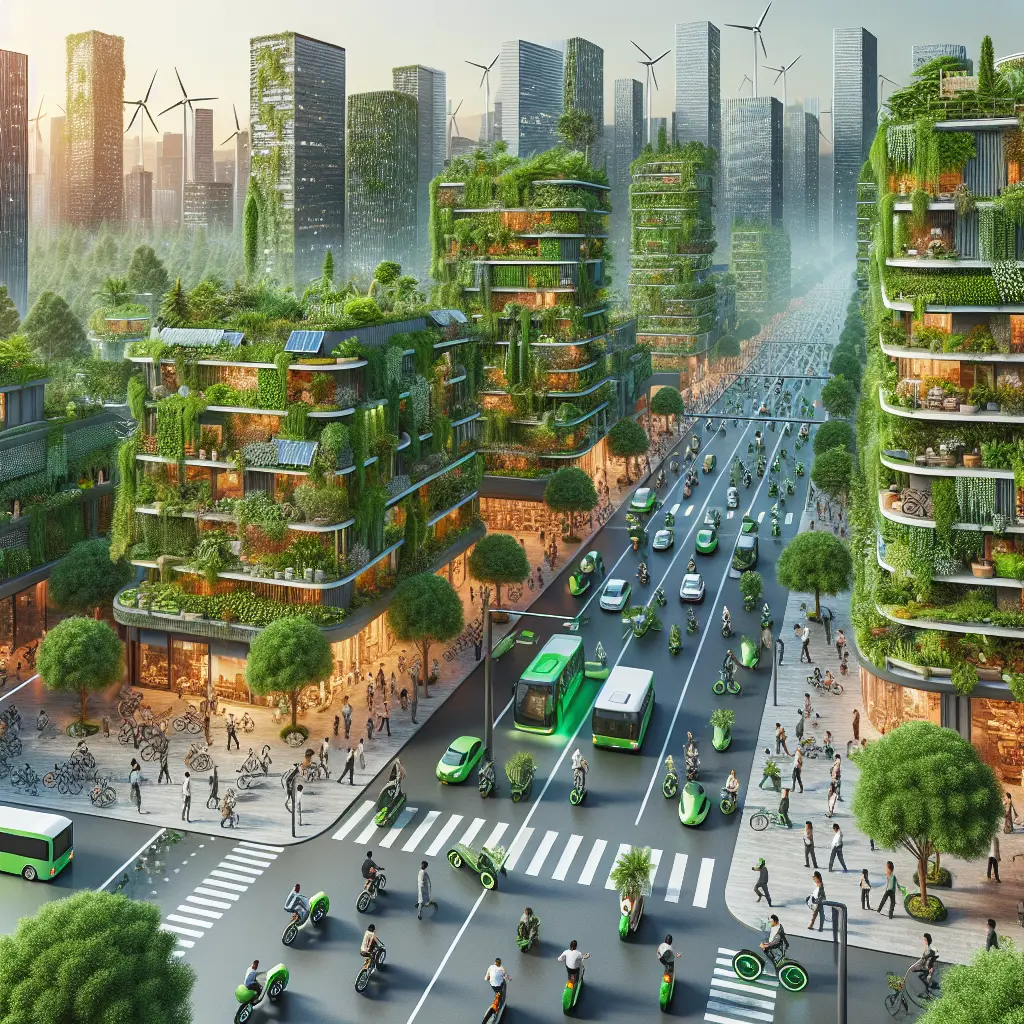
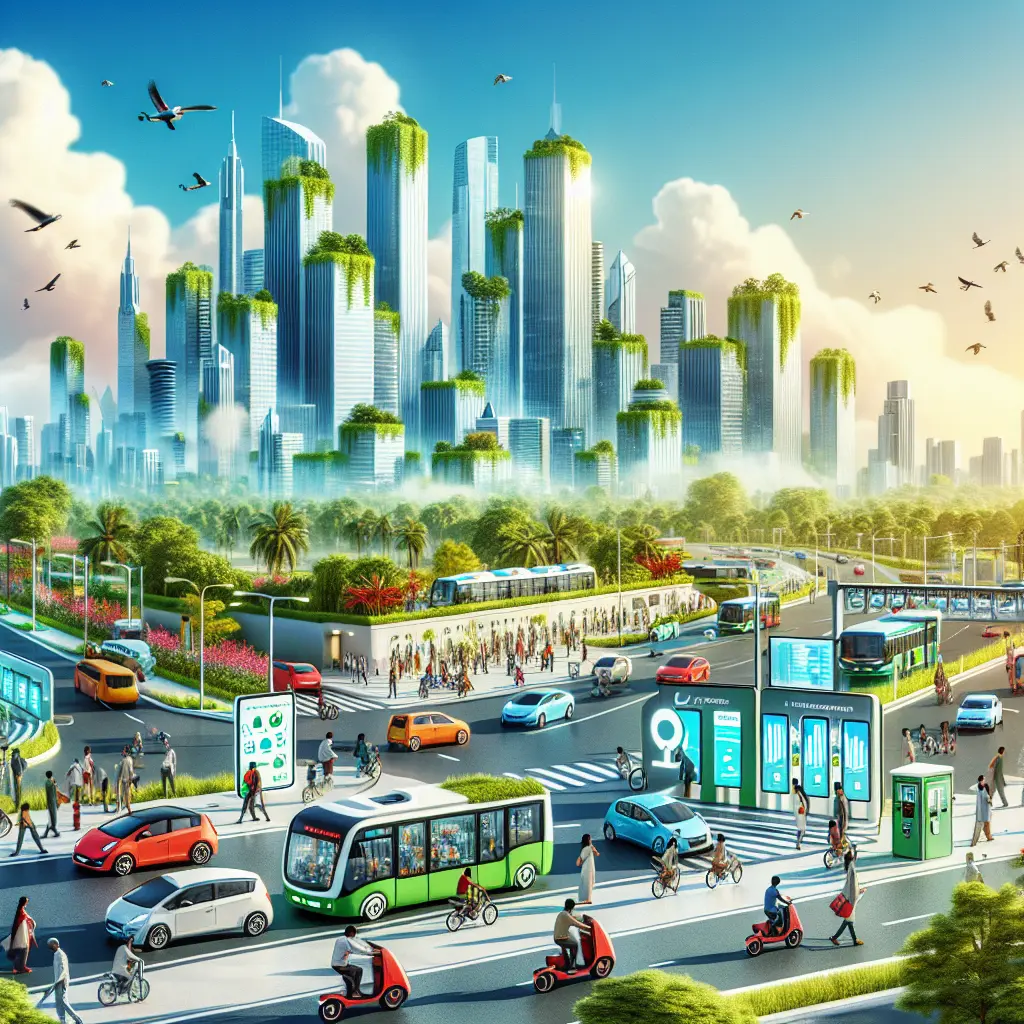
Cities around the world are reimagining their streets to prioritize people over cars, sparking a transformative movement toward sustainable urban mobility.
For decades, urban streets have been treated as mere conduits for vehicular traffic, their primary purpose being to move cars from point A to point B as quickly as possible. However, a shift in thinking is underway—one that sees roads not just as pipes for cars, but as vibrant public spaces with the power to shape community life and support a sustainable urban future.
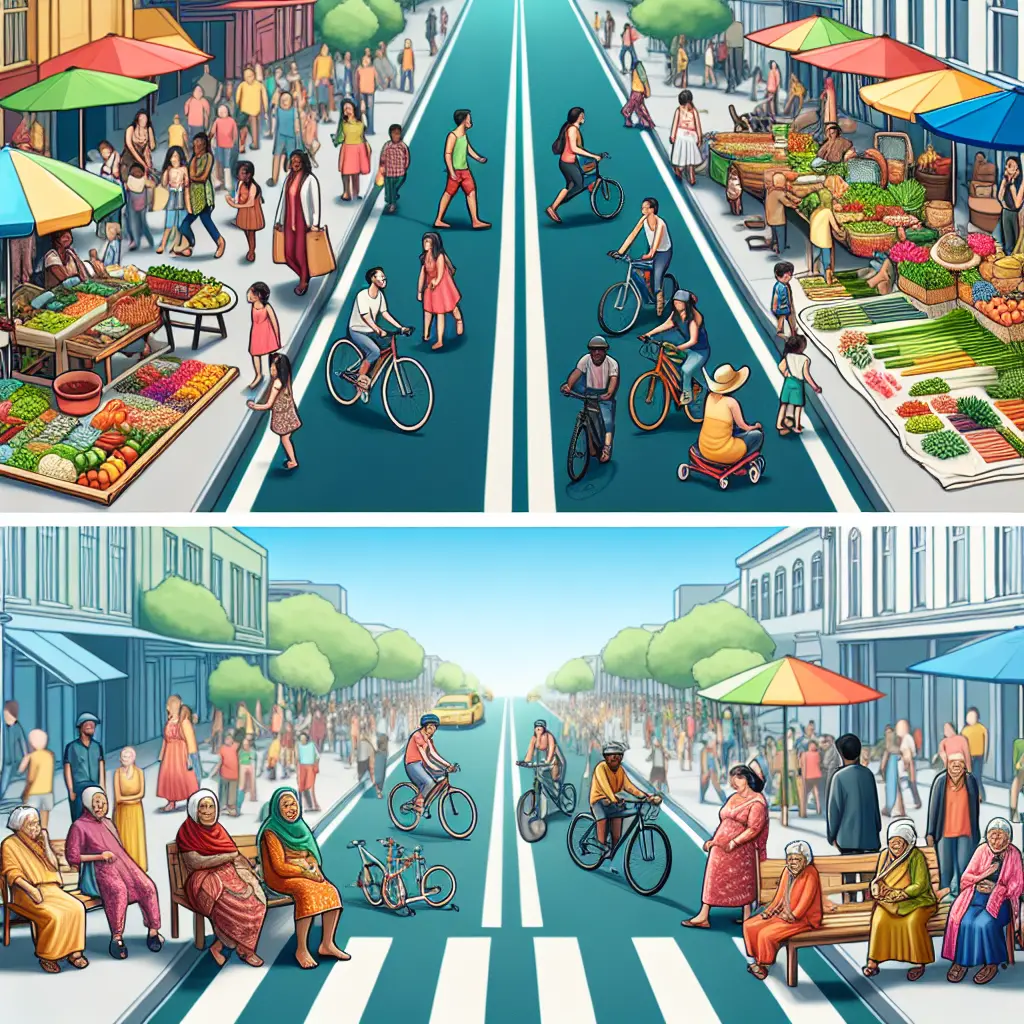
When we step off the sidewalk and onto the street, we’re reminded that these thoroughfares are more than just vehicle corridors—they are platforms for social interaction, commerce, play, and mobility of all kinds. Recognizing streets as public places opens up new possibilities for:
Pedestrian-friendly environments: Wider sidewalks, pedestrian plazas, and safe crossings encourage walking and healthier lifestyles.
Cyclist infrastructure: Dedicated bike lanes and traffic-calmed zones make cycling a safe and practical choice.
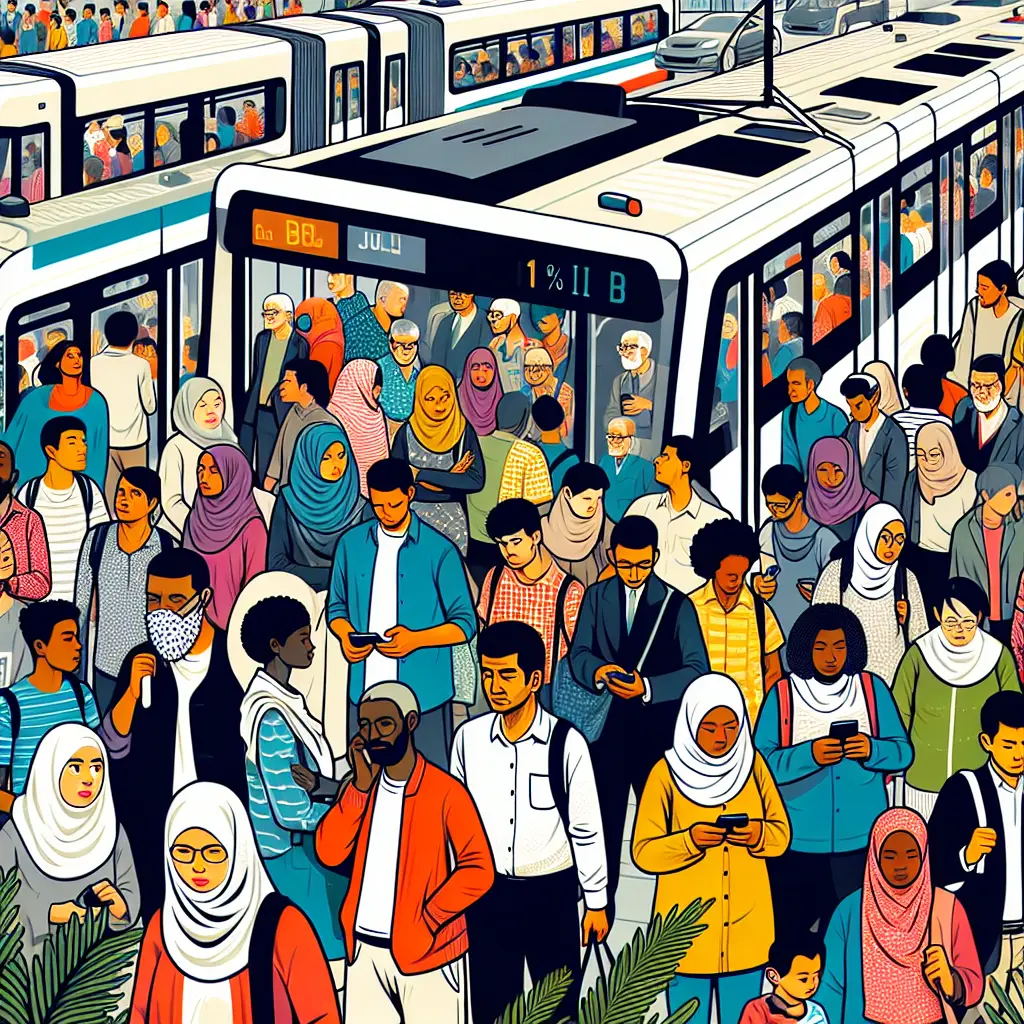
Accessible transit: Prioritizing buses and trams reduces reliance on private cars and lowers urban emissions.
The movement to reclaim roads from cars is grounded in several key principles:
Environmental Sustainability
Reducing car dependency directly tackles air pollution and carbon emissions, helping cities meet climate targets.
Public Health
Streets designed for people promote physical activity, reduce accident rates, and improve overall well-being.
Equity and Accessibility
Streets that welcome walkers, cyclists, and transit users are more inclusive, serving residents who may not own or use cars.
Community Vitality
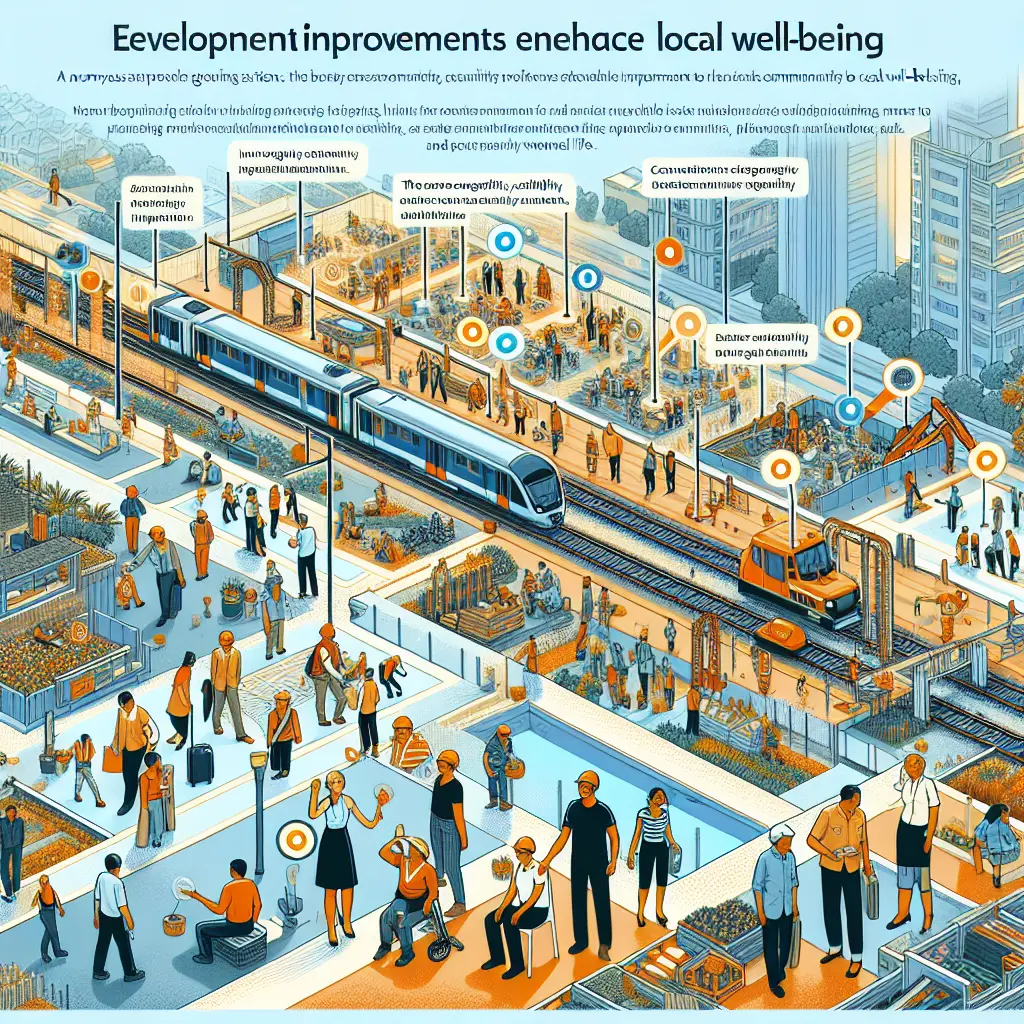
Reclaimed streets foster stronger local economies, facilitate cultural expression, and build resilient neighborhoods.
Strategies for Sustainable Urban Mobility
Across the globe, cities are experimenting with innovative approaches to reclaim their roads:
Car-free zones and open streets programs that dedicate certain areas or times exclusively to non-motorized users.
Pop-up parks and parklets that transform parking spaces into green, communal areas.
Complete Streets policies that require new road projects to accommodate all users, not just motorists.
Traffic calming measures such as speed humps, curb extensions, and pedestrian islands to slow vehicles and improve safety.
Embracing streets as shared public spaces is more than an aesthetic change; it’s a fundamental reimagining of urban life. When we shift our perspective from cars to people, we unlock opportunities to create cities that are cleaner, healthier, and more equitable for all.
By continuing to innovate and invest in sustainable urban mobility solutions, communities can ensure that their streets serve everyone—not just those behind the wheel.
Moving Toward People-Centered Cities
For a deeper dive into this transformative movement, check out the original article here: Reclaiming Our Roads From Cars.
Let’s keep moving forward—toward cities where streets bring us together and pave the way to a sustainable future.

Leave a Comment