

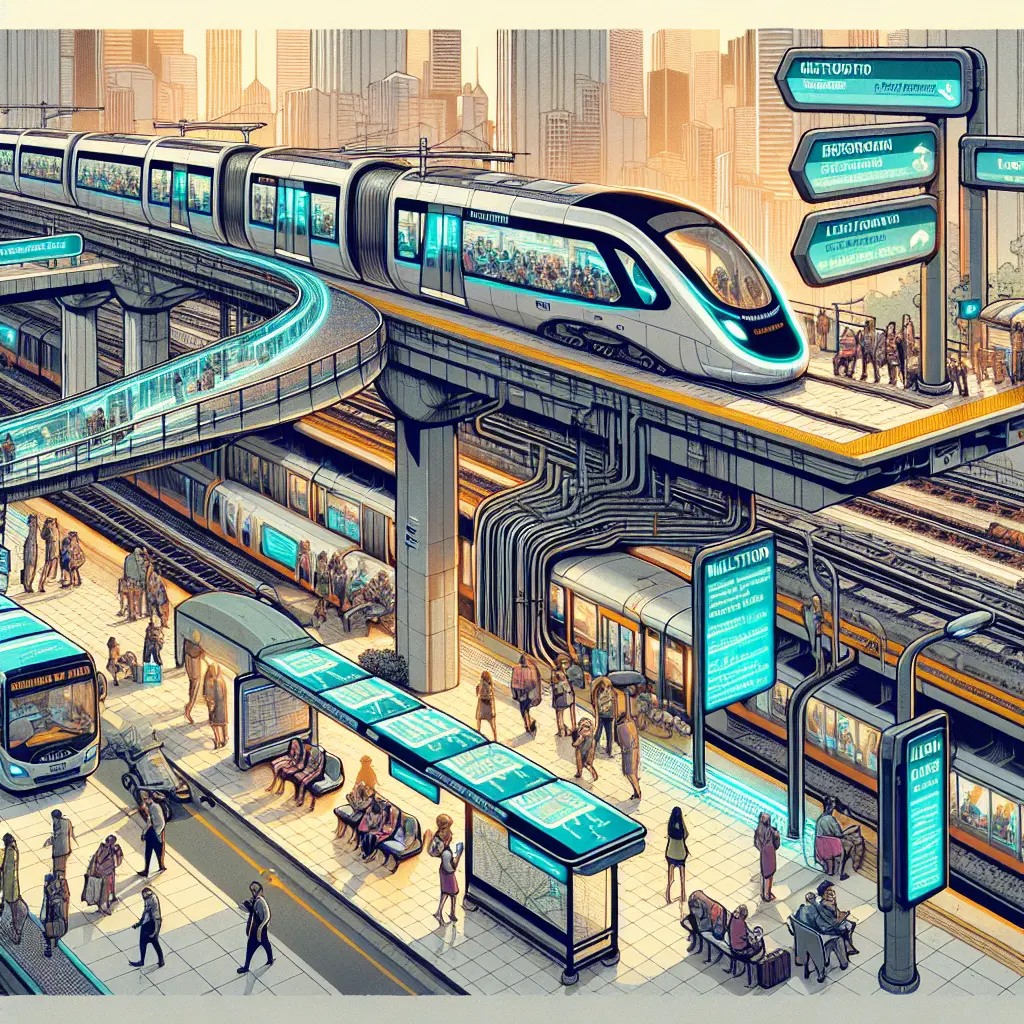
Sydney's new Metro service shines brightly, but the city’s bus stops could use a little polish.
As cities around the world strive to improve their public transport systems, sustainable urban mobility becomes a focal point of development. Sydney’s recent unveiling of its Metro service demonstrates a significant leap towards modern, efficient public transport. However, while the new Metro has captured headlines and the public's admiration, it brings to light another crucial aspect of urban transit that needs attention: the city's neglected bus stops.
Public transportation is a cornerstone of sustainable urban mobility. It reduces carbon emissions, alleviates traffic congestion, and provides an equitable mode of transportation for all residents. Yet, while rail projects like Sydney's Metro provide major improvements, smaller elements of the transit network can also make substantial contributions to the overall efficacy and appeal of public transport. Upgrading bus stops is one such opportunity.
The Importance of Bus Stops
Access and Equity: A well-maintained and strategically located bus stop enhances accessibility for all users, including those with disabilities and the elderly. Improving bus stop infrastructure can ensure that everyone in the community has fair access to the public transport network.
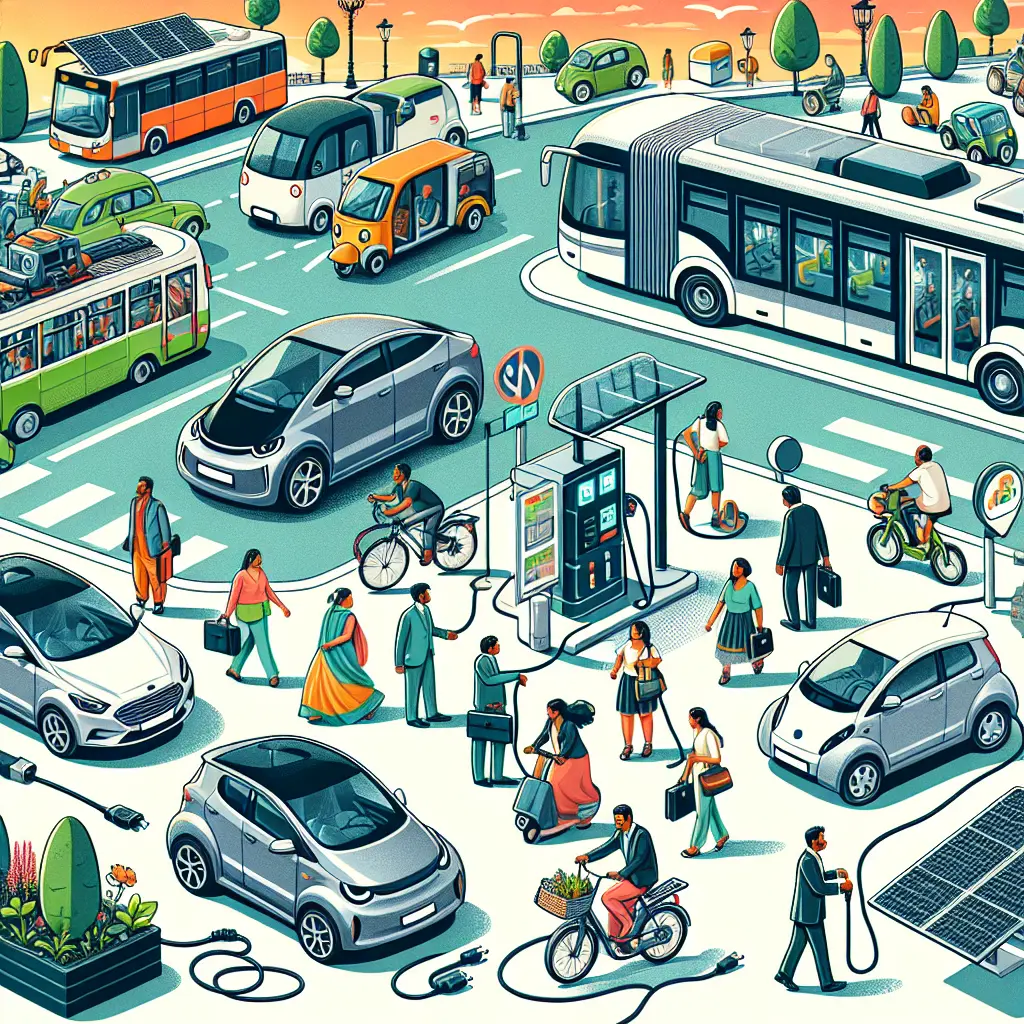
Moving Towards Sustainable Urban Mobility
Comfort and Dignity: Modernizing bus stops with amenities such as seating, shelters, and real-time information systems enhances passenger comfort and can dignify the experience of using public transport.
Cost-Effectiveness: Compared to the enormous costs associated with new rail projects, upgrading existing bus stops requires significantly less investment. This makes it a feasible option for cities looking to improve their public transport systems without incurring massive expenses.
While Sydney's new Metro is a commendable advancement, addressing smaller components like bus stops can have a profound impact on the overall effectiveness of the city’s transportation network. By investing in both large-scale projects and the more humble yet equally important parts of the system, cities can create a more integrated and user-friendly public transport experience.
To achieve sustainable urban mobility, cities must adopt a holistic approach that considers all elements of their transport infrastructure. From shiny new metro services to the oft-overlooked bus stops, every part plays a role in creating a cohesive network that meets the needs of its residents.
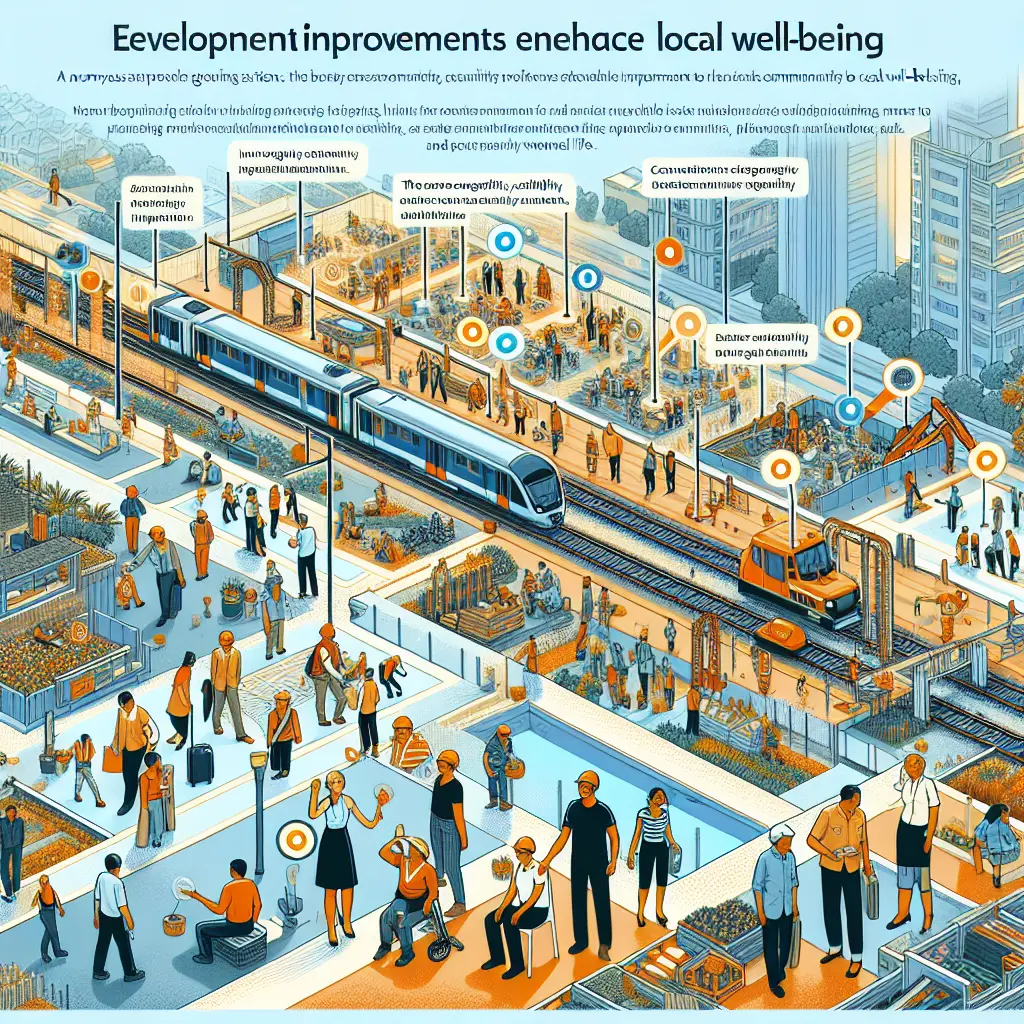
Quiet Revolutions in Urban Transit
In closing, while Sydney basks in the success of its new Metro, let's not forget the quieter revolutions that can be made by focusing on elements like bus stops. Sustainable urban mobility is not just about grand projects; it is about thoughtful improvements across the board.
For more insights into Sydney's public transportation developments, you can read the full article here.
With each step towards improvement, whether big or small, we move closer to creating cities that are accessible, efficient, and sustainable for future generations.




Leave a Comment