
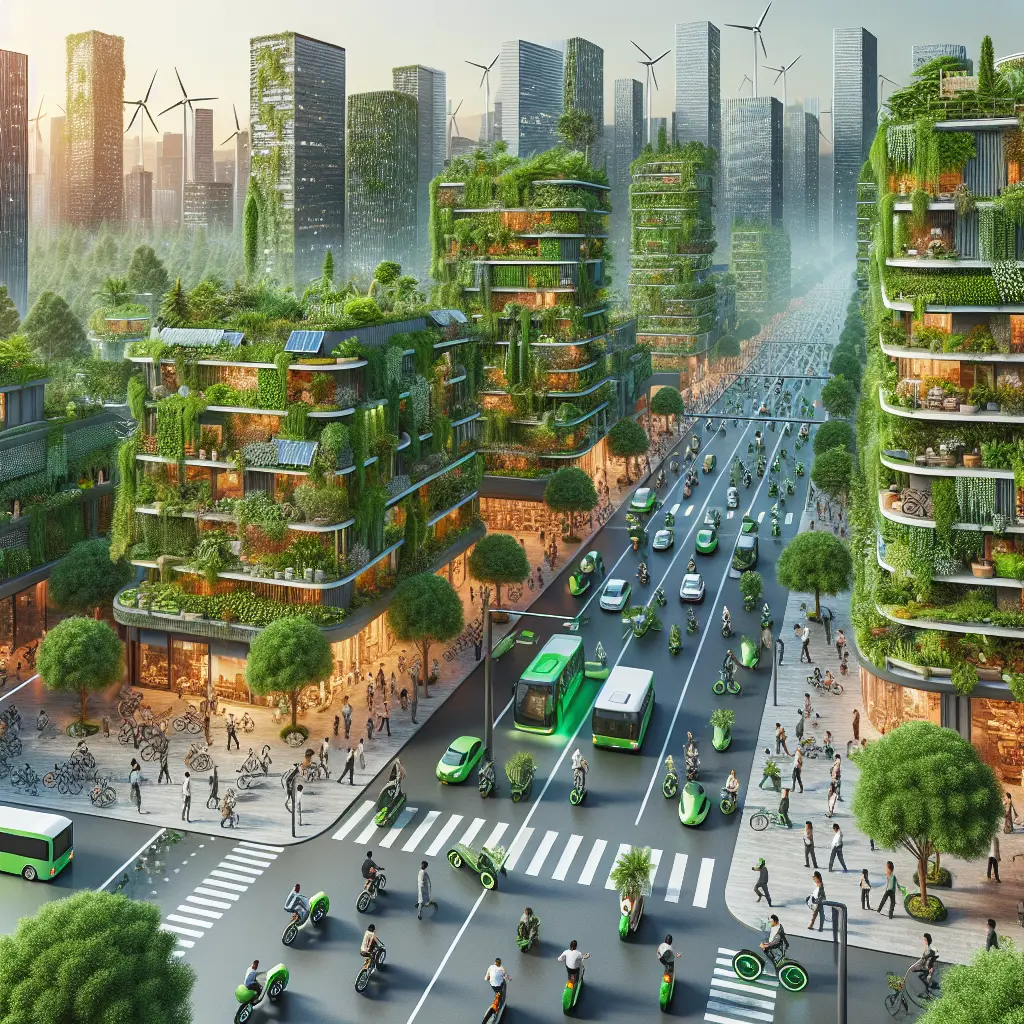
As cities worldwide search for cleaner, smarter, and more efficient ways to move people, electric two-wheelers are emerging as a powerful catalyst for sustainable urban mobility.
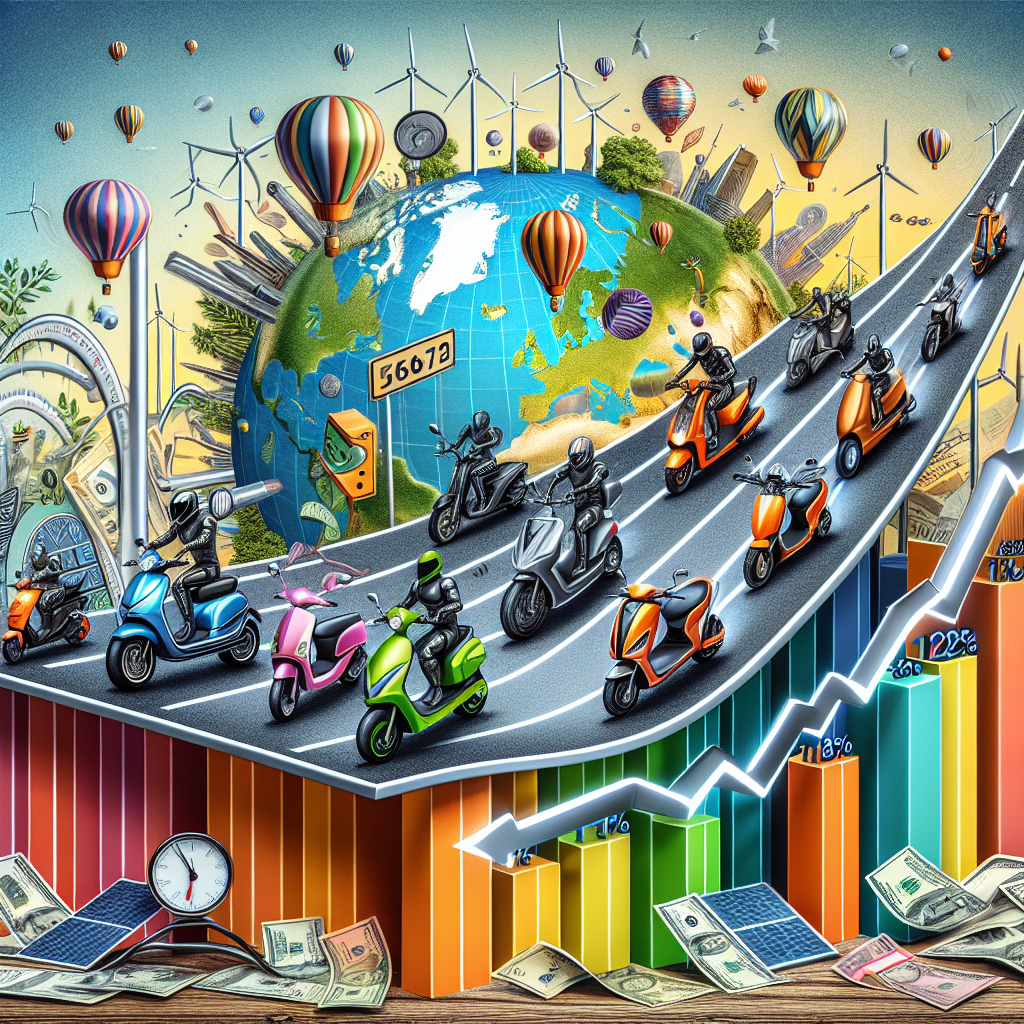
The global shift toward sustainable transportation is accelerating, with electric two-wheelers—such as scooters and motorcycles—at the forefront of efforts to reduce carbon emissions, alleviate congestion, and offer affordable urban transit solutions. According to recent market research, this sector is expected to expand at a compound annual growth rate (CAGR) of 11.6% from 2024 to 2031, increasing its market value from an estimated US$ 19.6 billion in 2024 to an impressive US$ 58.6 billion by 2031. Source.
Why Electric Two-Wheelers Matter for Urban Sustainability
The rise of electric two-wheelers is more than a passing market trend; it’s a critical response to urgent environmental and urban challenges. Their growing popularity can be attributed to several key factors. First, their environmental impact—they produce zero tailpipe emissions, making them particularly suited to cities struggling with air pollution. Second, they offer efficiency in urban environments: compact and agile, they help ease congestion and keep operating costs low, making them accessible for more people. Finally, widespread government support through subsidies and tax incentives is rapidly accelerating adoption and spurring innovation across the industry.
Market Drivers Fueling Adoption
Several forces are propelling the adoption of electric two-wheelers. Rising environmental awareness is prompting communities and governments alike to prioritize clean air and public health. Policy incentives such as India’s FAME scheme, the United States’ EV tax credits, and China’s generous subsidies are making these vehicles more affordable for both consumers and fleet operators. Meanwhile, urbanization and mounting cost pressures in expanding cities are driving demand for affordable, efficient transportation that does not contribute to pollution or gridlock.
Key Highlights and Innovations
The Asia-Pacific region is leading the global charge, especially China and India, where robust policy backing and large urban populations have fueled rapid growth—India’s electric two-wheeler market alone is predicted to expand at a remarkable CAGR of 35%. Technological breakthroughs, particularly in lithium-ion batteries, are extending range and reducing charging times. Manufacturers are also introducing smart features to further enhance the user experience. Additionally, delivery services and ride-sharing companies are embracing electric two-wheelers as they seek to cut fuel and maintenance costs.
Market Segmentation & Diverse Urban Needs
The electric two-wheeler market caters to diverse needs. By product type, electric scooters are ideal for short city commutes due to their affordability and ease of use, while electric motorcycles offer greater power and range for longer trips. The end-user spectrum includes individual consumers seeking low-cost daily transport and fleet operators who value operational savings and sustainability for logistics or sharing services.
Challenges persist: high upfront costs can deter some buyers even though long-term running expenses are lower. Furthermore, a lack of reliable charging infrastructure—particularly in rural or underdeveloped areas—still limits widespread adoption.
Opportunities Shaping the Future
Ongoing investment in battery innovations is making electric two-wheelers increasingly practical by providing longer range, quicker charging, and improved durability—crucial factors for widespread adoption. Emerging markets in Southeast Asia and Latin America are also positioned for growth as urbanization increases and governments roll out pro-electric vehicle policies.
Despite existing challenges, electric two-wheelers are positioned as a practical solution for cities aiming to become greener and more livable. Their ability to cut emissions, alleviate congestion, and offer affordable mobility aligns with the key principles of sustainable urban development.
The Road to Sustainable Cities
As technology evolves and policy support intensifies, expect electric two-wheelers to play an increasingly central role in transforming urban transportation. This evolution will help cities achieve cleaner air, quieter streets, and greater accessibility for all residents.
By championing electric two-wheelers today, we lay the foundation for healthier, smarter, and truly sustainable cities tomorrow.
Drive change. Ride green. Move cities forward.
For further details on market projections, read more at openpr.com/news/4050739/electric-two-wheelers-market-expected-to-expand-at-11-6-cagr.

Leave a Comment